

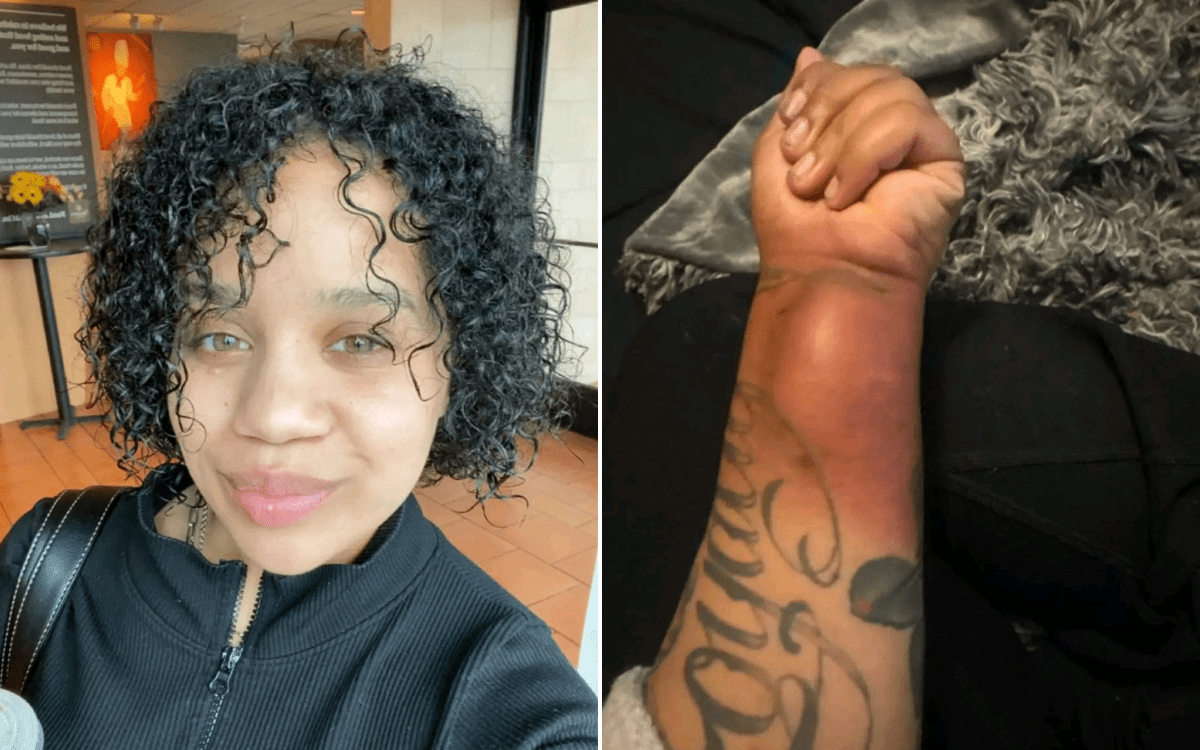
A woman living with 28 tumors across her body was repeatedly told a growth on her left wrist was just a cyst–but it kept growing.
Sara Kasperowicz, from Saint Joseph, Missouri, was born with Neurofibromatosis Type 1 (NF1), a genetic disorder that causes tumors—usually benign—to grow on nerves, as well as changes in skin pigmentation.
Symptoms often start in childhood and can include light brown “café‑au‑lait” spots, freckling in the armpits or groin, and soft lumps on or under the skin known as neurofibromas. Some people may also experience learning difficulties, bone issues, or vision problems. NF1 affects about 1 in 2,500 to 3,000 people, or roughly 0.03–0.04 percent of the U.S. population.
Kasperowicz has never known a life without tumors. But in 2022, while pregnant, she noticed a growth on her left wrist that felt different. “It started off small, probably the size of a marble,” she told Newsweek. “Since then, the pain has gradually increased, as well as the size of the mass.”
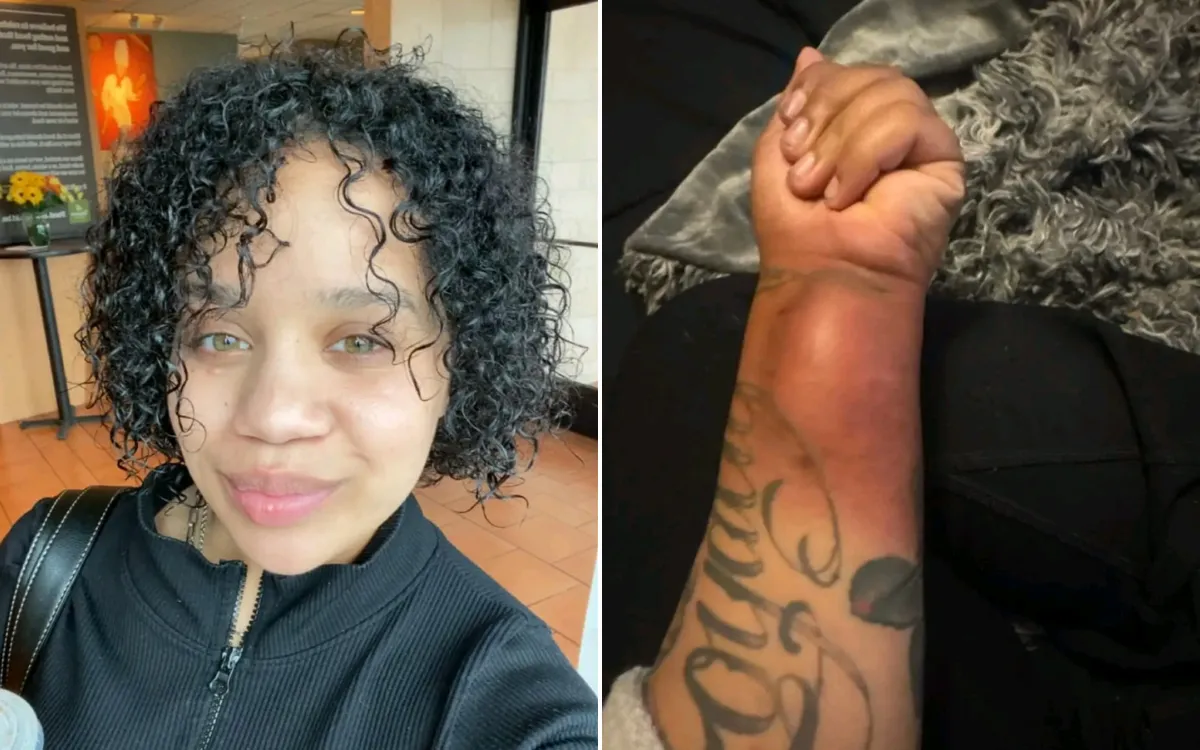
Kasperowicz sought out second opinions.
“In the years that followed, I saw different doctors, urgent care centers and emergency rooms, and they all told me it was a cyst—a ganglion cyst, to be exact,” she said.
A ganglion cyst is a non‑cancerous, fluid‑filled lump that typically develops near a joint or tendon, most commonly on the wrist or hand. That was what Kasperowicz continued to be told until January of this year, when doctors finally began to investigate further.
In March, her worst fears were confirmed: it was cancer. Kasperowicz said that was when things “started getting really serious,” with doctors telling her they had “never seen this type of cancer growing“
“The cancerous tumor is fused to my tendon, so my care team wanted to proceed with radiation before anything else to try to shrink the tumor,” she said. “The tumor did not shrink, and the cancer was not affected by the treatment. It did soften a little in the middle.”
Kasperowicz is now waiting to undergo surgery in July. Currently, she estimates she has 28 tumors across her body. This is the only one found to be cancerous, but her NF1 makes treatment more complicated.
“Treating one specific tumor can have a cause-and-effect reaction,” she said. “Radiation treatment like I had runs the risk of irritating other tumors in my body, causing them to grow or become cancerous. Having surgery on my wrist in July could potentially irritate the other tumors as well.”
Right now, Kasperowicz says she feels “very tired,” is in a lot of pain and is facing an uncertain future. “It’s scary to live with this condition,” she said. “You never really know what’s going to happen next.”
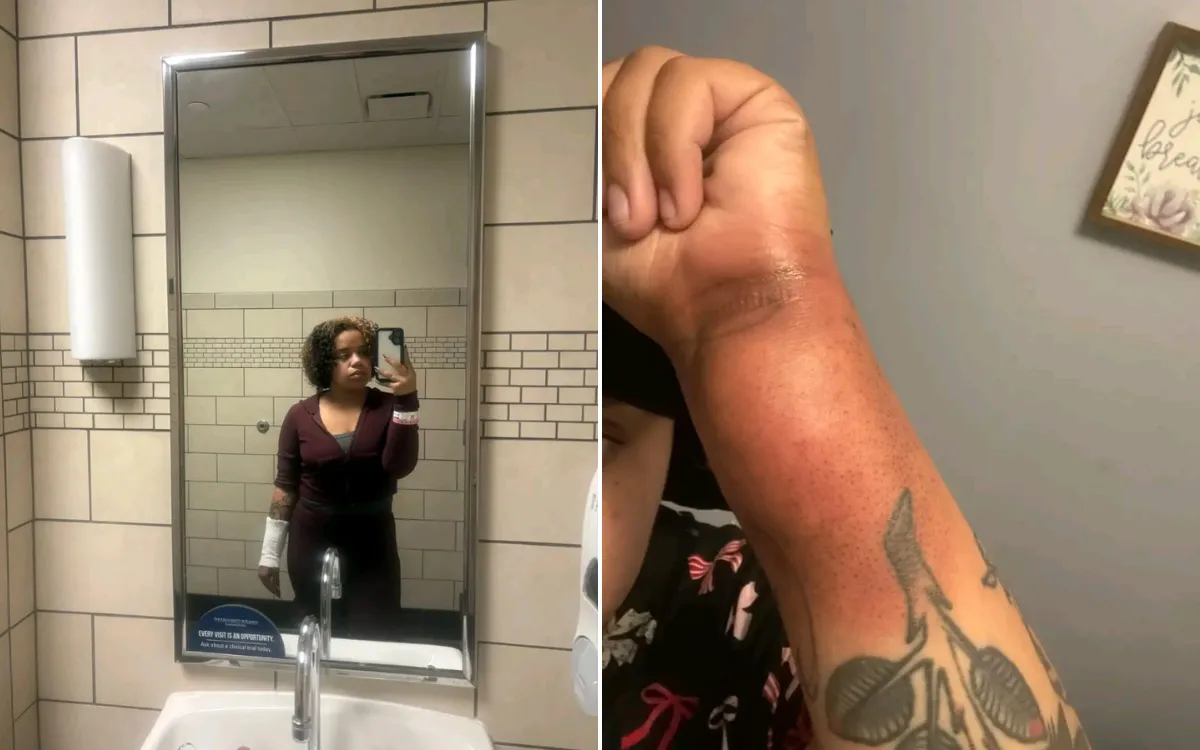
Kasperowicz is a single mom currently on unpaid leave from work. The months ahead will be difficult, but she is still looking to the future with cautious optimism.
“I’m really hoping to get the tumor on my wrist removed and be able to get function back in my fingers afterwards,” she said.
Ultimately, she hopes her story can help raise awareness of NF1, not just for herself but for others living with the condition.
“I have two daughters, and one of them has the same genetic disorder I do,” she said. “So the more knowledge that can be shared and the more people we can reach, I believe the better the medical field will be in the future.”




Leave a Reply