

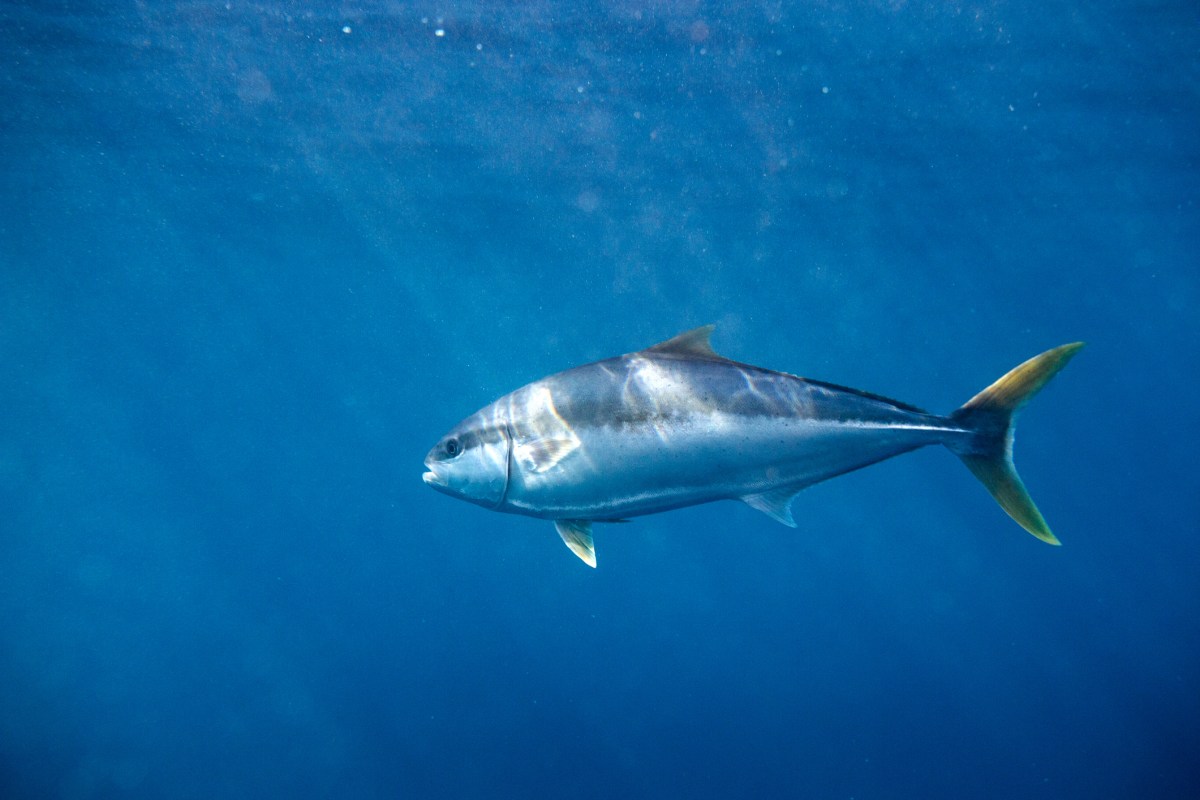
President Donald Trump on Thursday signed a proclamation reopening sections of federally protected marine national monuments in the Pacific Ocean to commercial fishing, a move framed by the administration as an effort to expand domestic seafood production and support U.S. fishing communities.
While the policy has been welcomed by fishing industry groups, Pacific officials and Trump administration leaders, who say reopening the waters will boost domestic seafood production, support coastal economies and help U.S. fleets compete with foreign fishing operations, the move comes amid broader criticism of the administration’s environmental policy approach.
Conservation groups and some researchers have warned that efforts to loosen protections on public lands and waters risk undermining ecosystem safeguards established over decades. Critics argue that marine national monuments were designed to limit human activity in some of the world’s most fragile ocean environments, and say recent policy shifts—including reopening protected waters to fishing—reflect a wider emphasis on deregulation and economic use of natural resources.
The order restores commercial fishing access across parts of three major marine protected areas that had previously banned or tightly restricted the activity. Those areas were originally designated under Presidents George W. Bush and Barack Obama using the Antiquities Act to preserve ecologically sensitive waters and marine biodiversity.
Newsweek reached out to Oceana and the offices of Bush and Obama by email or online contact form for comment.
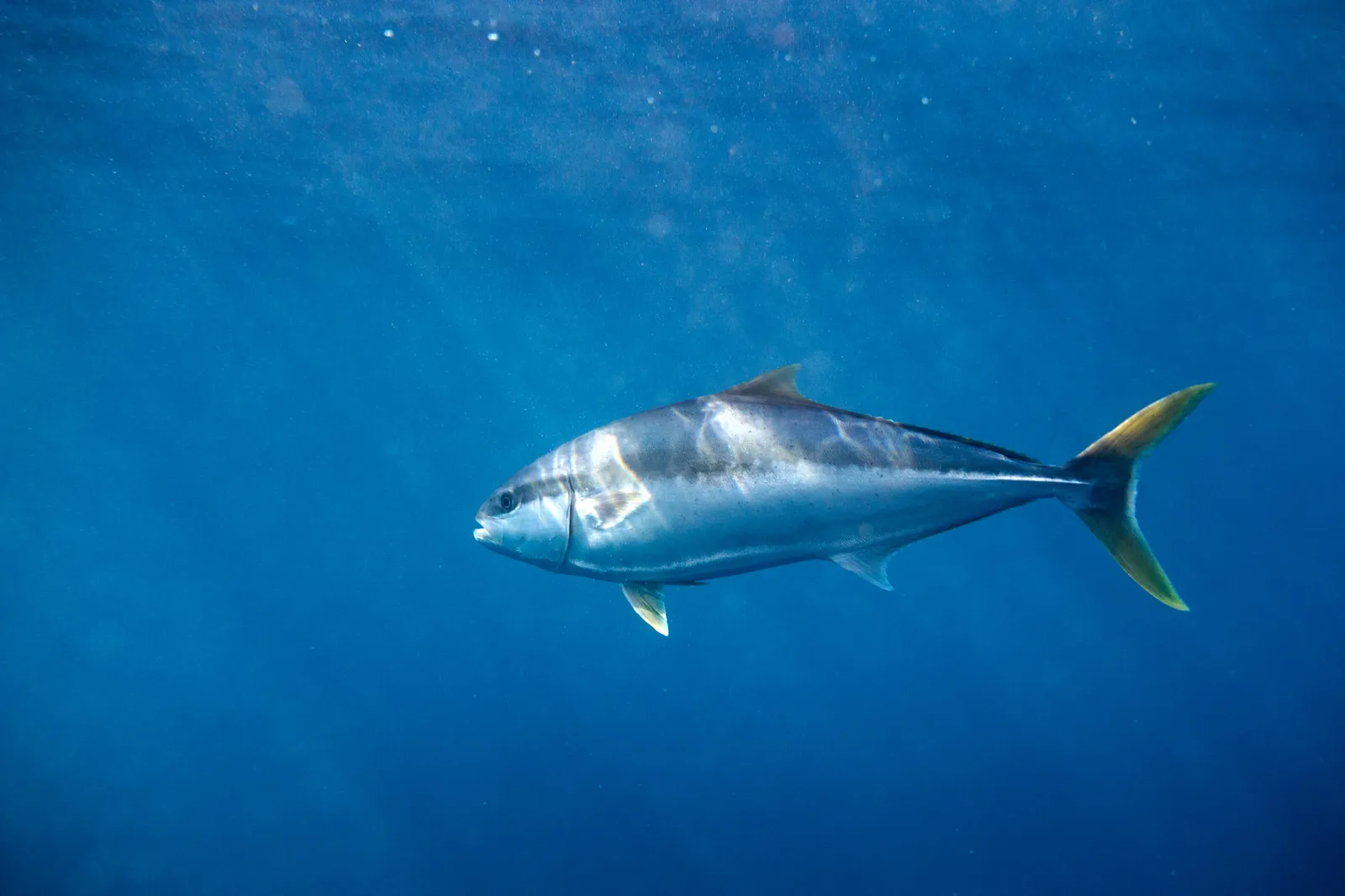
Marine Areas Opened to Fishing
The following marine national monuments are included in the 2026 proclamation:
Papahānaumokuākea Marine National Monument (Hawaii)
- Specific zones opened: Mau and Ho‘omalu zones
Mariana Trench Marine National Monument (Western Pacific)
- Specific zone opened: Islands Unit
Rose Atoll Marine National Monument (American Samoa)
- Commercial fishing restored within monument waters
Together, the White House said the changes reopen “nearly half a million square miles” of Pacific waters to federally managed commercial fishing.
“Prohibiting commercial fishing is not necessary for the proper care and management of these Monuments, as many fish species are highly migratory, not unique to the area, and are already protected through existing laws, such as the Magnuson-Stevens Fishery Conservation and Management Act,” the proclamation said.
According to the administration, the decision is intended to reduce reliance on imported seafood, lower prices for consumers, and strengthen domestic supply chains, while maintaining oversight under existing federal fisheries law. [noaa.gov]
Why Were the Areas Protected?
The monuments affected by the order were created or expanded between 2006 and 2016 as part of a broader push by both Republican and Democratic administrations to conserve marine ecosystems.
President George W. Bush used the Antiquities Act to establish several Pacific marine monuments, including Papahānaumokuākea in 2006 and the Mariana Trench and Rose Atoll monuments in 2009. These designations were intended to protect areas of “historic or scientific significance,” including coral reefs, underwater volcanoes, and deep-sea ecosystems.

The Mariana Trench Marine National Monument, for example, was created to safeguard some of the most unique geological and biological features in the ocean, including hydrothermal vents, mud volcanoes, and coral ecosystems with unusually high biodiversity. Scientists described the region as containing rare habitats and some of the deepest and least-explored environments on Earth.
“Many scientists—and I want to thank the scientists who have joined us today—believe extreme conditions like these could have been the first incubators of life on Earth,” Bush said in his remarks on signing the proclamations that established the monuments in 2009.
Similarly, Papahānaumokuākea was established to protect a vast area of the Northwestern Hawaiian Islands that hosts thousands of marine species, many found nowhere else, along with significant cultural and historical resources.
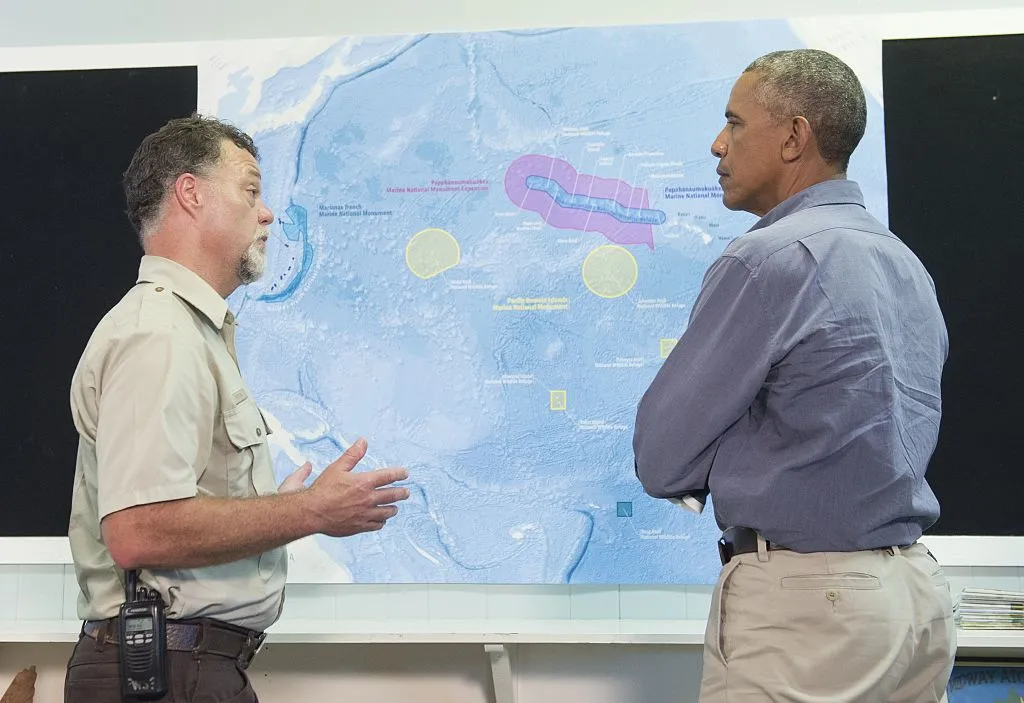
President Barack Obama later enlarged Papahānaumokuākea in 2016 to become one of the largest marine protected areas in the world. The expansion extended protections to additional offshore waters and barred commercial fishing in those zones to preserve coral reefs, endangered species and broader ecosystem health.
Trump Administration Rationale
In announcing the rollback, the Trump administration argued that existing federal fisheries laws, including the Magnuson–Stevens Fishery Conservation and Management Act, already provide sufficient safeguards for marine species and habitats.
The proclamation states that “appropriately managed commercial fishing” would not threaten the scientific and historical objects protected within the monuments, citing the migratory nature of many fish species and existing regulatory oversight.
“Restoring commercial fishing access to these vital areas reflects the continued commitment of this Administration to American fisheries, which are built on the foundation of rigorous science, robust monitoring, strong enforcement, and the daily commitment of our dedicated fishermen,” NOAA administrator Neil Jacobs said in a press release about the announcement. “This historic action will lead to more U.S.-caught fish on American tables.”
Officials also emphasized economic considerations, including job creation in the fishing and processing industries and the goal of increasing the domestic seafood supply.
“President Trump is once again delivering for American fishermen by opening prized Pacific fishing grounds with this Executive Proclamation,” Commerce Secretary Howard Lutnick said in the press release. “By restoring commercial fishing in the remote Pacific, we are creating new economic opportunity for coastal communities and restoring U.S. seafood competitiveness.”
What Happens Next
As specified in Trump’s proclamation, “only United States flagged vessels shall be allowed to fish commercially within the boundaries of these monuments.” Permits can be issued to foreign vessels to transport fish harvested by U.S. fishermen.
Restrictions remain in place within 50 nautical miles of the center geographical positions of certain islands and reefs in the Northwestern Hawaiian Islands and within 12 nautical miles of Rose Atoll, the proclamation said.




Leave a Reply