

Long layovers may be an unavoidable part of modern travel, but some airports are making them a lot easier to endure.
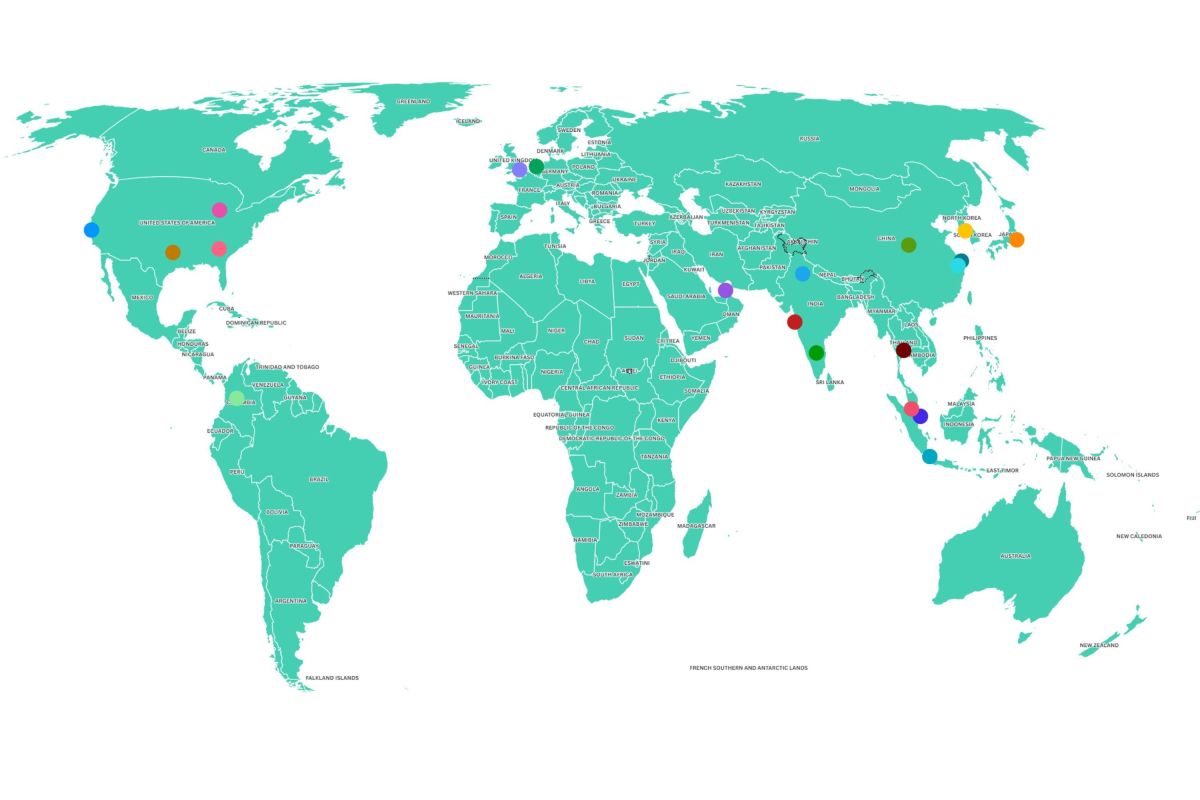
A new global study by Airport Parking & Hotels (APH) has found that Singapore’s Changi Airport is the world’s best airport for layovers, followed by Dubai International Airport and Atlanta’s Hartsfield-Jackson International Airport, as major travel hubs increasingly compete to turn waiting time into part of the journey.
Why Layovers Matter More Than Ever
As airlines contend with higher operating costs, route disruptions and growing travel demand, passengers are increasingly facing longer journeys and more connections. In response, airports are investing heavily in lounges, dining, sleep facilities and entertainment designed to make layovers less of a hassle and, in some cases, a destination in their own right.
The findings underscore a broader shift in air travel: airports are no longer judged solely by how efficiently they move passengers, but increasingly by how well they help travelers spend time between flights.
The ranking also comes as airlines grapple with rising fuel costs and geopolitical instability that have complicated global travel and increased pressure on carriers.
Demand for travel remains robust heading into the peak summer season, meaning millions of travelers are likely to spend more time connecting through major international hubs.

Singapore’s Changi Airport Takes the Top Spot
Changi Airport earned the highest overall score, receiving praise for its combination of dining options, passenger amenities and places to rest.
A spokesperson for Changi Airport told Newsweek that travelers can explore gardens, swim in a rooftop pool or unwind in dedicated relaxation areas such as Terminal 2’s “Calm Room,” a sensory-friendly space designed to help passengers decompress between flights.
For passengers with several hours to spare, Changi offers city tours and access to Jewel Changi Airport, home to the Rain Vortex indoor waterfall and Forest Valley. Travelers can also explore the Jurassic Mile outdoor trail linking the airport to East Coast Park.
Asia Dominates the Global Rankings
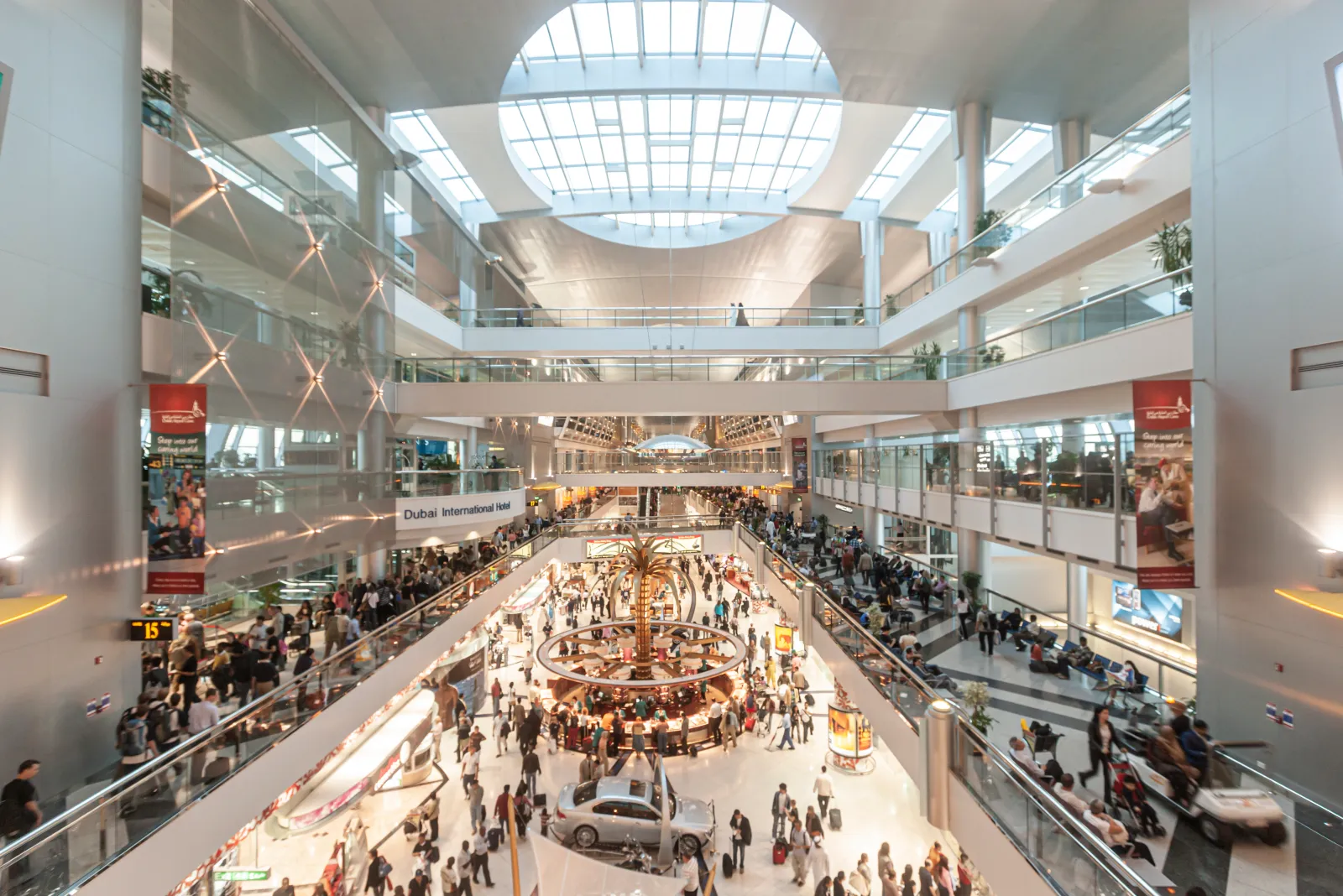
Dubai International Airport finished second, bolstered by one of the largest lounge networks in the ranking, with 23 lounges available to travelers.
Paul Griffiths is the CEO of Dubai Airports, the authority that owns and operates airports in the city, including DXB, which has ranked as the world’s busiest airport for international passenger traffic every year since 2014 by the Airports Council International.
Griffiths emphasized that DXB aims to strike a balance between efficiency and experience, giving passengers control over how they spend their time while ensuring the journey remains smooth and intuitive.
“Our focus is on creating an experience that feels seamless, connected, and efficient at every stage of the journey,” Griffiths told Newsweek, noting “that includes well-designed passenger flows, intuitive wayfinding, smart deployment of technology…”
More broadly, airports across Asia dominated the rankings. According to the study, “airports in Singapore, China, India, Japan, South Korea and Indonesia consistently rank highly across food, sleepability and lounge affordability,” underscoring the region’s strength in delivering well-rounded passenger experiences.
Beyond Singapore and Dubai, airports across Asia performed strongly. APH found that airports throughout Singapore, China, India, Japan, South Korea and Indonesia consistently scored well on food options, lounge value and overnight comfort.
Atlanta Emerges as North America’s Best Layover Hub
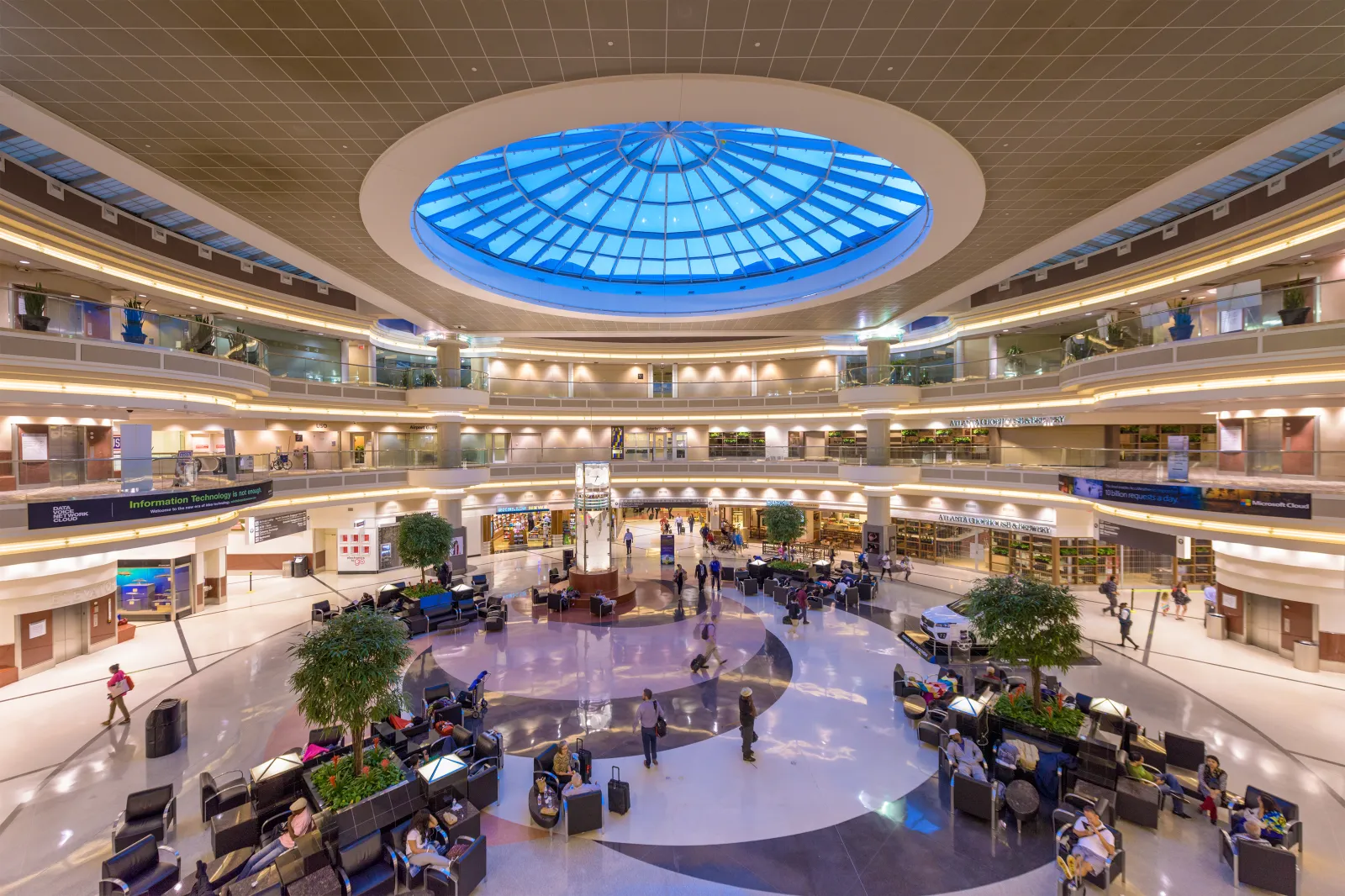
Atlanta’s Hartsfield-Jackson International Airport ranked third overall and was the only North American airport to break into APH’s top 10.
The airport stood out for its extensive dining options, lounges and passenger facilities despite handling more travelers than any other airport in the world.
Airports Are Becoming Destinations
As travel volumes continue to grow, airports are increasingly competing on experience as much as efficiency. For many major hubs, the goal is no longer simply to move passengers from one gate to another, but to make the time between flights more comfortable, productive and enjoyable
This shift is reflected in how airport operators increasingly talk about layovers—not as lost time, but as a meaningful part of the travel experience.
Smith said ATL views layovers as an integral part of a passenger’s journey. “We do not think of a layover as lost time,” he told Newsweek.
Griffiths says layovers are “no longer viewed simply as time between flights” and agrees they are a critical part of the travel journey, whether travelers are connecting quickly or spending extended time at the airport.
The 12 Criteria
The study evaluated the world’s 50 busiest airports across 12 criteria, which include the following:
- The number of lounges and their average cost
- The number of flights daily
- The airport’s sleepability rating from Sleeping in Airport Reviews
- The number of shower rooms
- Number of ATMs available
- Sleeping pod availability
- Wi-Fi access
- Total number of restaurants and cafes
- The overall airport rating
- The average rating of restaurants
- The average price for food
Do you have a travel-related story to share? Let us know via life@newsweek.com, and your story could be featured on Newsweek.








Leave a Reply