

After years of dealing with a collection of mysterious symptoms—back pain, gastrointestinal issues, extreme fatigue—I’d heard some version of that sentence from doctor after doctor. Some blamed hormones or inflammation and prescribed rounds of steroids. Others said it was anxiety and offered a prescription for Xanax. The details changed, but the message underneath rarely did: The problem wasn’t my symptoms. It was how I was reacting to them.
My health problems began when I was 14 years old. I was struck with a bout of sudden and debilitating back pain that no one could explain. Eventually, after years of confusion and pain, it finally resolved. When I was 25, I became seriously ill during a trip abroad. Once again the symptoms came on suddenly and had no clear explanation. I was exhausted, weak and barely functioning. Pictures of me in the hospital show a pale, gaunt young woman looking confused and utterly spent—a shadow of the energetic, vibrant person I had been just weeks before.
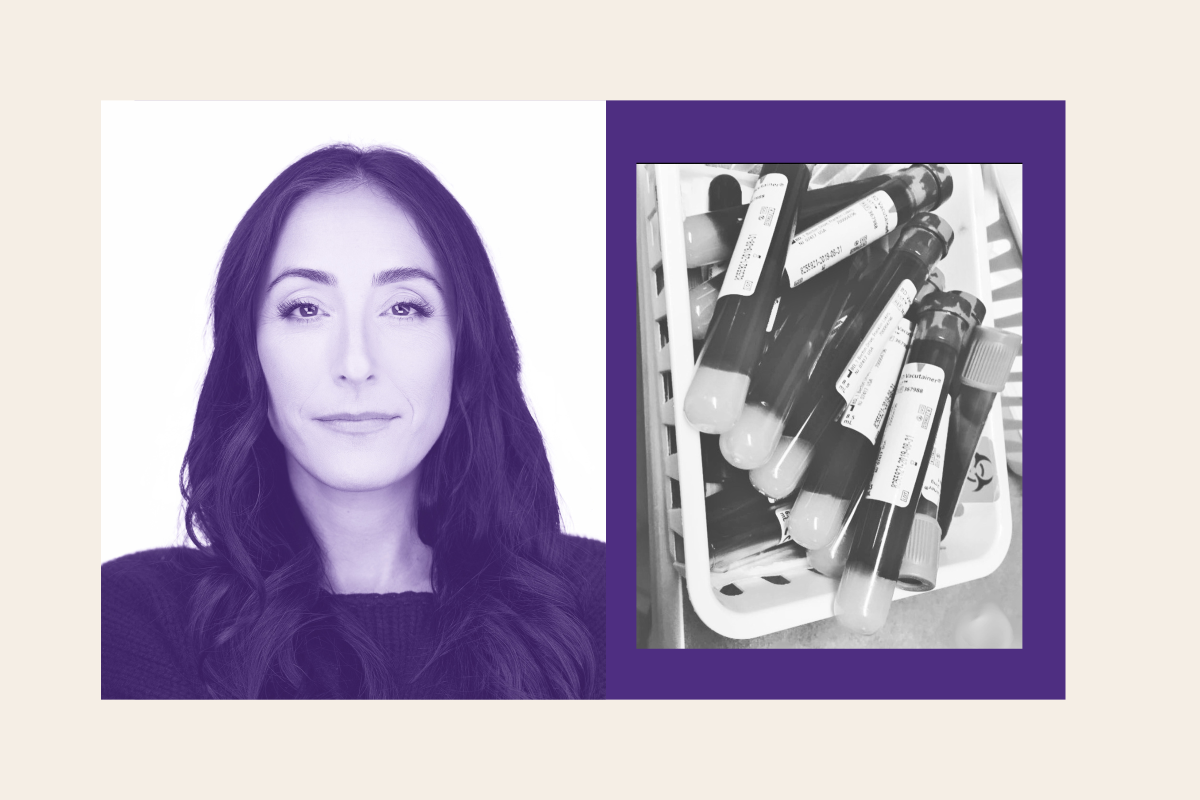
In the decade that followed, I poured everything I had into a quest for an explanation for my mysterious symptoms—extreme fatigue, weight gain, skin rashes, joint pain and cognitive fog—and an answer to why it was all happening. Throughout this process, I became a professional patient. My life revolved around appointments, bloodwork, scans, medications and insurance battles, then supplements, meditation, yoga and hours upon hours of research. I tried it all, including a full lifestyle overhaul aimed at stress management. A lot helped, but not enough.
I soldiered on, donning the full-body armor that people with chronic illness call “resilience.” I saw specialist after specialist, always hoping the next one would have the answer. Some gave it their all, but my case was out of their scope. Some dismissed me politely, while others made me feel irrational. One flatly suggested my symptoms were psychosomatic. Another barely looked up from his clipboard before suggesting anti-anxiety meds. And the truth is, I don’t even think many of them meant to be so dismissive.

I didn’t know it then, but Harvard Medical School recognizes this behavior as medical gaslighting. An alarming 72 percent of millennial women have felt dismissed or unheard at the doctor, according to a survey by Mira. And, in a separate survey by SHE Media, 71 percent of people said their providers have told them they were imagining their symptoms.
Inside I knew that what I was feeling was real. I knew in my very cells that the doctors’ haphazard guesses were dead wrong. Still, when supposed experts tell you over and over again that what you’re feeling isn’t real, it has an effect.
By the time I reached my 36th doctor I was worn out—my body, mind and bank account were totally exhausted. I was anxious and dejected, convinced this visit would be like all the others. But that appointment changed everything.
As it turned out, the 36th time was the charm. After extensive testing and questions that showed me this doctor was truly listening to me, he finally gave me a diagnosis: late-stage neurological Lyme disease. Over time, and with the appropriate treatment plan, which included various herbs and medications, I started to feel so much better physically. On top of that, I had experienced something I hadn’t in a long time: validation.
As my symptoms eased, my body started coming back to life and I thought I was on my way to a happy ending. Instead, something else happened.
Friends and family saw someone who was getting better, but I was wearing a mask—one that hid the fear, anxiety and bouts of panic. And there was something else I felt: grief. An intense sadness over how much of life had passed me by while I was sitting in exam rooms. And the loss of confidence in my own intuition from having so many medical professionals, loved ones or acquaintances invalidate me.
Somewhere in the midst of all of it, I’d lost myself. When I finally got the correct diagnosis, I was so proud I hadn’t given up on myself. Yet the damage was done.
One night, my husband finally named what I was going through. “You’ve been sick for over two decades,” he said. “What you’ve experienced has been incredibly traumatic, you know?”
There it was: trauma. Suddenly, everything made sense, including why I was still living in survival mode.
We tend to think about health in black-and-white terms. You’re sick or you’re well. But many of the 194 million American adults with chronic illness live somewhere in between. Medically improved, but emotionally wrecked.
I began describing the experience as “Medical Trauma Brain” because I couldn’t find another phrase that captured what I was living through. It’s the illness after the illness. The more I spoke about it publicly, the more people responded with the same reaction: “I thought it was just me!”
We don’t talk nearly enough about the psychological impact of prolonged illness, and basically not at all about how to heal from it. It’s the second journey, and it involves learning how to feel safe inside your own body again—how to reregulate your nervous system and bring yourself into the present time so you’re not constantly reliving the stresses of the past.
I’d done years of talk therapy, but it couldn’t help me with what I was facing. Once I realized what I was dealing with, I was able to enlist the help of qualified therapists who practice modalities better equipped to heal trauma. In my case, a combination of cognitive behavior therapy, EMDR and somatic experiencing helped to get to the root of the problem and reprogram my dysregulated nervous system.
And I’m happy to say I’m proof that real healing is possible. Today, I’m healthier and happier than I’ve ever been since I started this quest, and I’m paying it forward by helping others break free from the hell between sick and well.
I did it, and you can too.
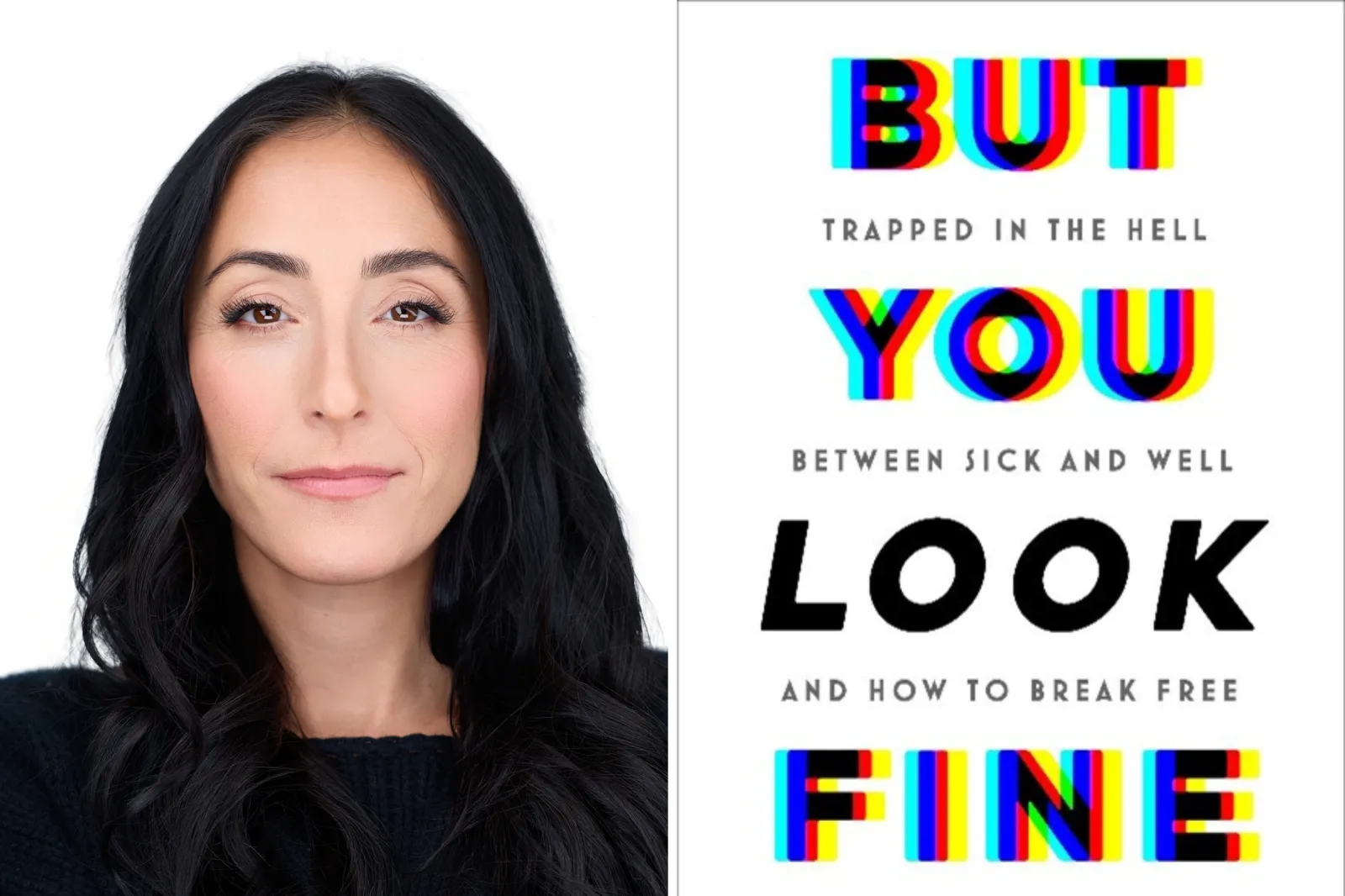
Amy Kurtz is a patient advocate and Lyme disease survivor whose new book, But You Look Fine, is out on June 9.
All views expressed in this article are the author’s own.
Do you have a personal essay you want to share with Newsweek? Send your story to MyTurn@newsweek.com.











Leave a Reply