


Georgia drivers are beginning to see higher fuel costs after the state’s temporary gas tax suspension expired at midnight on June 2, ending months of relief at the pump.
The increase comes even as U.S. gas prices have now started to fall. Despite this, fuel remains considerably more expensive than it was before geopolitical tensions—particularly the Iran war—sent energy markets surging.
The end of Georgia’s gas tax holiday means drivers will soon lose roughly 33 cents per gallon in savings at a time when fuel prices, while easing, remain elevated. The change highlights how quickly local relief measures can disappear—and how difficult it is for states to shield consumers from global energy shocks.
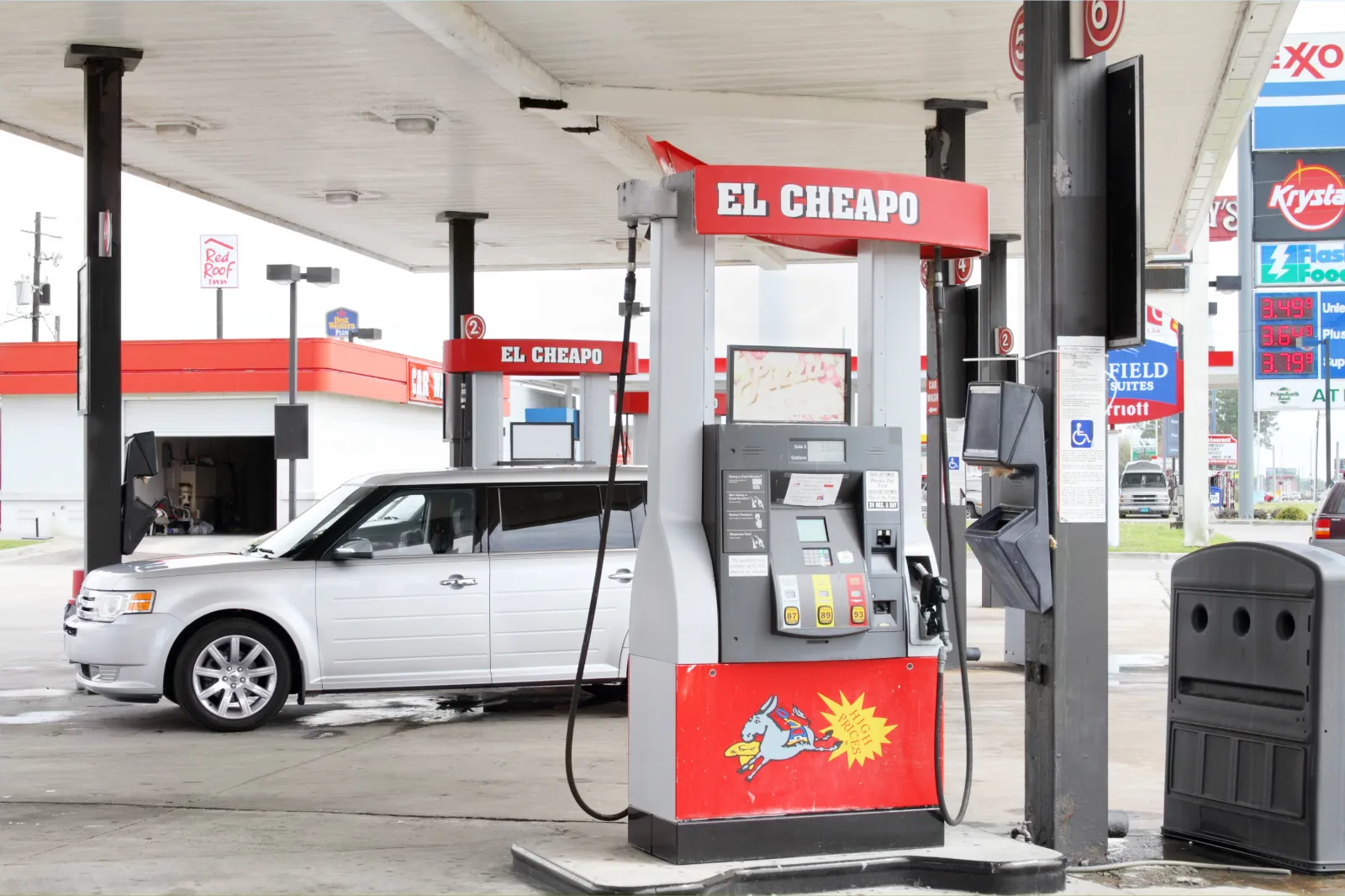
Gas Tax Break Ends in Georgia
Georgia’s gas tax holiday, which lowered prices by about 33 cents per gallon, has now expired, meaning motorists will gradually begin paying more at fuel stations statewide.
The suspension was introduced earlier this year to cushion drivers from rising fuel costs. It had been scheduled to end in May, but Governor Brian Kemp extended it by two weeks to cover Memorial Day travel.
Kemp opted against another extension, citing relatively stable oil prices. His office said that, “after renewing the suspension of the state gas tax to help hardworking Georgians get through the Memorial Day weekend with further relief, and with oil prices now holding relatively steady, the gas tax suspension will expire.”
Prices may not rise immediately at every station, but the added tax is expected to filter through the market within days.
How Much Are Drivers Paying Now?
National Average
According to the American Automobile Association (AAA), the national average price for regular gasoline stood at about $4.26 per gallon on June 3.
Gas prices have come down slightly from their earlier highs as oil markets have cooled. CNBC reported that crude prices fell roughly 20 percent in May from this year’s peak.
Even so, gasoline remains more expensive than it was before the Iran conflict disrupted energy supplies and pushed crude prices higher.
Georgia Average
Georgia has remained among the cheapest states for gasoline, with prices averaging about $3.79 per gallon in recent weeks—well below the national average.
That advantage is expected to shrink now that the state tax has returned, though Georgia is still likely to remain less expensive than many parts of the country.
Which States Are Worst Hit
The national picture remains uneven, with some states paying for the rise in gas prices significantly more than others—but not just at the pump.
Previous Newsweek reporting found households in states such as Alabama, Wyoming and Utah have been among the hardest hit by rising fuel costs.
States including New York and Oregon have seen smaller per-household impacts, though price increases have been felt nationwide.
Even traditionally affordable fuel markets have seen significant increases since the Iran conflict began.
Why Prices Remain Elevated
Although gas prices have eased from their peak high earlier this year, analysts told Newsweek that a return to preconflict levels is unlikely anytime soon.
The U.S. Energy Information Administration (EIA) said that “it will take until late 2026 or early 2027 for most preconflict production and trade patterns to resume.”
Several factors continue to support higher prices, including:
- Global supply disruptions: Conflict and instability in major oil-producing regions continue to affect supply.
- Market uncertainty: Expectations about future supply shortages can push prices higher even before disruptions occur.
- Continuing strong demand: Travel and economic activity continue to sustain high fuel consumption.
The modest relief drivers have seen at the pump may prove temporary, with prices expected to remain above historic norms through much of 2026.
Why Relief May Be Limited
Georgia’s decision to end its gas tax holiday underscores a broader reality for drivers: temporary tax relief can help, but it cannot fully offset global market forces.
For motorists nationwide, the direction of fuel prices will depend far more on global oil markets than state policy decisions, meaning that even recent declines may not signal a return to preconflict price levels anytime soon.








Leave a Reply