


By Angela Casadonte as told to Newsweek
After 17 years of battling addiction, I finally hit my rock bottom.
My parents died within three months of each other and it was like having the rug pulled out from underneath me.
They were the only people I had in the world.
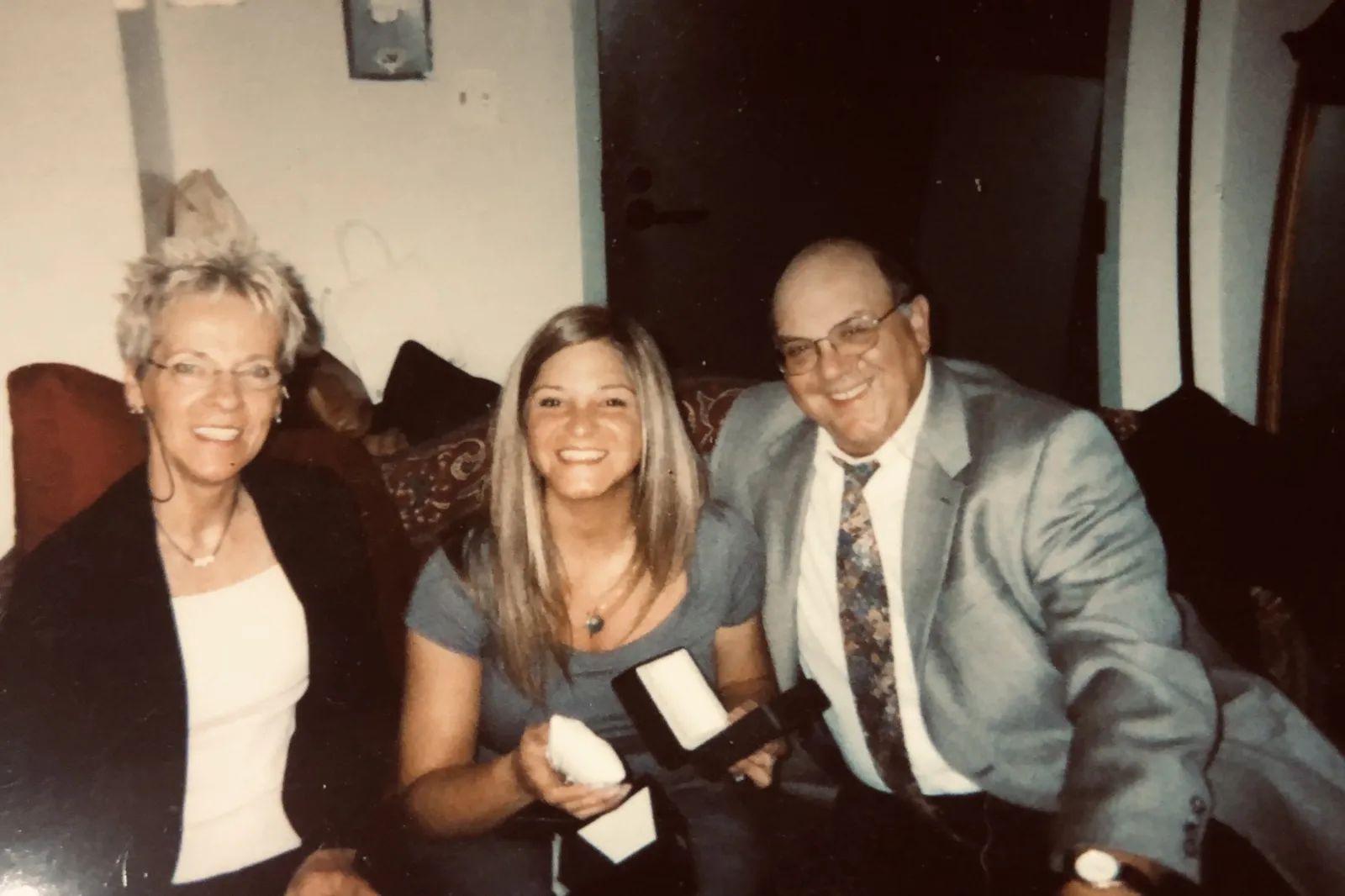
When my parents died, it wasn’t just grief—it was a complete unraveling. I had nowhere to hide anymore.
It forced me into a kind of pain I had spent years running from. The kind that doesn’t go away no matter what you take, no matter how hard you try to numb it. For the first time, I was truly alone with myself.
I didn’t like what I saw and it almost ended me.
I had been a heroin addict from the age of 23 to 40. At the height of it, I wasn’t showering. I was wearing filthy, blood-stained clothes.
I was getting arrested almost every other week. I was stealing and hustling just to support my habit, surviving on a few bags of gummy bears a day because everything I had went to the next fix.
I always had some sort of infection on my body, and today I’m covered in the scars. My “battle scars,” I call them.
Now I have a criminal record more than 10 pages long, bad credit and all the consequences of living that life for so many years. Every decision I made had a consequence. Every action had a reaction.
Back then, I didn’t see it that way. I saw myself as a victim of my circumstances, but when my parents died, that illusion shattered.
There were multiple points where I didn’t think I was going to survive it.
I tried to end my life more than once during that time. That’s how overwhelming it was—to sit in that much grief, that much emptiness, without any of the usual ways I used to escape.
But something shifted. One day, after more than a year of feeling completely broken, I had a moment of clarity I had never had before.
For so long, I had blamed my addiction for everything—my choices, my pain, my life. But my parents had been gone for over a year at that point, and nothing had changed inside me.
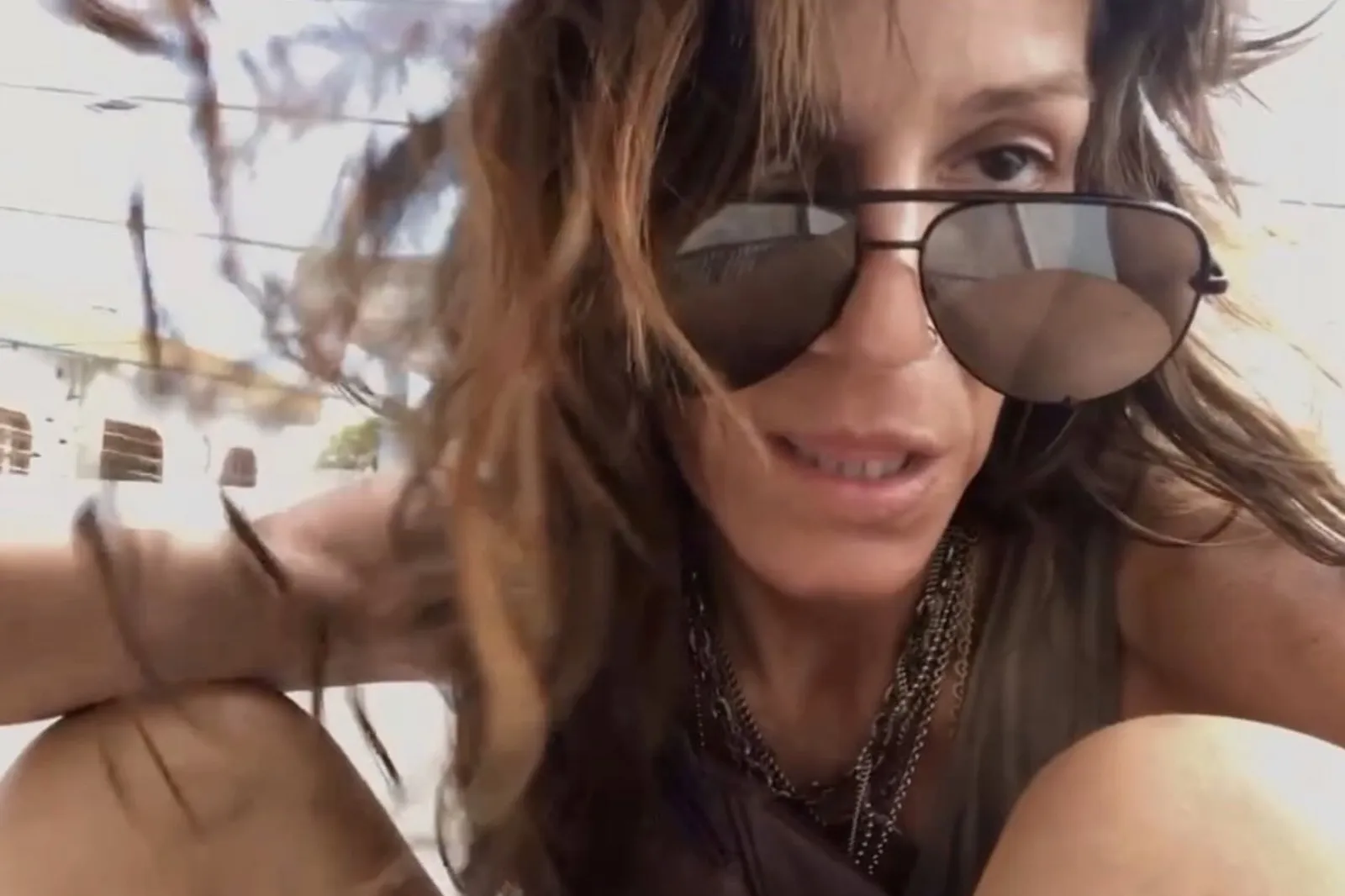
I was still devastated. Still stuck and deeply unhappy. And I realized something I had never been willing to admit: I was the problem.
That realization could have crushed me. But, strangely, it didn’t. It did something else—it gave me power.
Because if I was the problem, it meant I also had the ability to change. That was the first time I had ever thought about choosing myself.
Looking back, I can see how I got there. I didn’t come from trauma. I had great parents, but I was lonely. In my early twenties, I was in grad school, far from home, with no real support system. I didn’t even realize I was searching for something.
But the heroin answered a question I didn’t know I was asking. At 23, I felt like life decisions were already made for me. I had always been creative—I was a competitive dancer for 10 years growing up—but I believed that kind of life wasn’t a real option.
So I followed the path that was expected of me. I stayed in school, kept getting degrees and kept going through the motions.
But I was miserable. Addiction gave me an escape but it also gave me a life I didn’t hate as much as the one I thought I was supposed to return to. That’s what kept me stuck for 17 years. I didn’t want to go back, and I didn’t know I could build something new.
It took losing everything—my parents, my support system, my identity—to realize I could.
In the early days, “choosing life” didn’t look the way you might expect. It wasn’t big or inspiring. It was basic. Uncomfortable. Sometimes embarrassing.
I had to relearn how to take care of myself. That meant doing things most people don’t think twice about—showering regularly, cleaning up after myself, writing down small goals for the future.
For years, I had treated myself like I didn’t matter. Even doing something as simple as taking a few minutes to think about what I wanted from my life felt foreign.
I started practicing gratitude too, even when it felt impossible. I had lost everything, but I forced myself to find something—anything—to be thankful for each day.
None of it was glamorous, but it was something. It was movement.
And over time, those small actions became something bigger. What I want people who are still struggling to understand is this: it’s never too late.
There is no story that is “too far gone” to come back from. I know, because I spent years looking for someone who had lived a life like mine and made it out the other side.
I couldn’t find that person. So now, I try to be that proof.
Recovery isn’t perfect. It’s not a straight line. But it is possible—even when you feel like you’ve destroyed everything, even when you think there’s nothing left.
Sometimes, what feels like the end is actually the thing that forces you to begin.
I often think about what my parents would say if they could see me now. I believe they would be proud. I believe, in some way, they are still guiding me.
I wish more than anything that I could share this version of my life with them, but the truth is, I don’t think I would have found it without going through that darkness first.
Losing them almost broke me, but in the end, it also gave me the one thing I had never chosen before: myself.
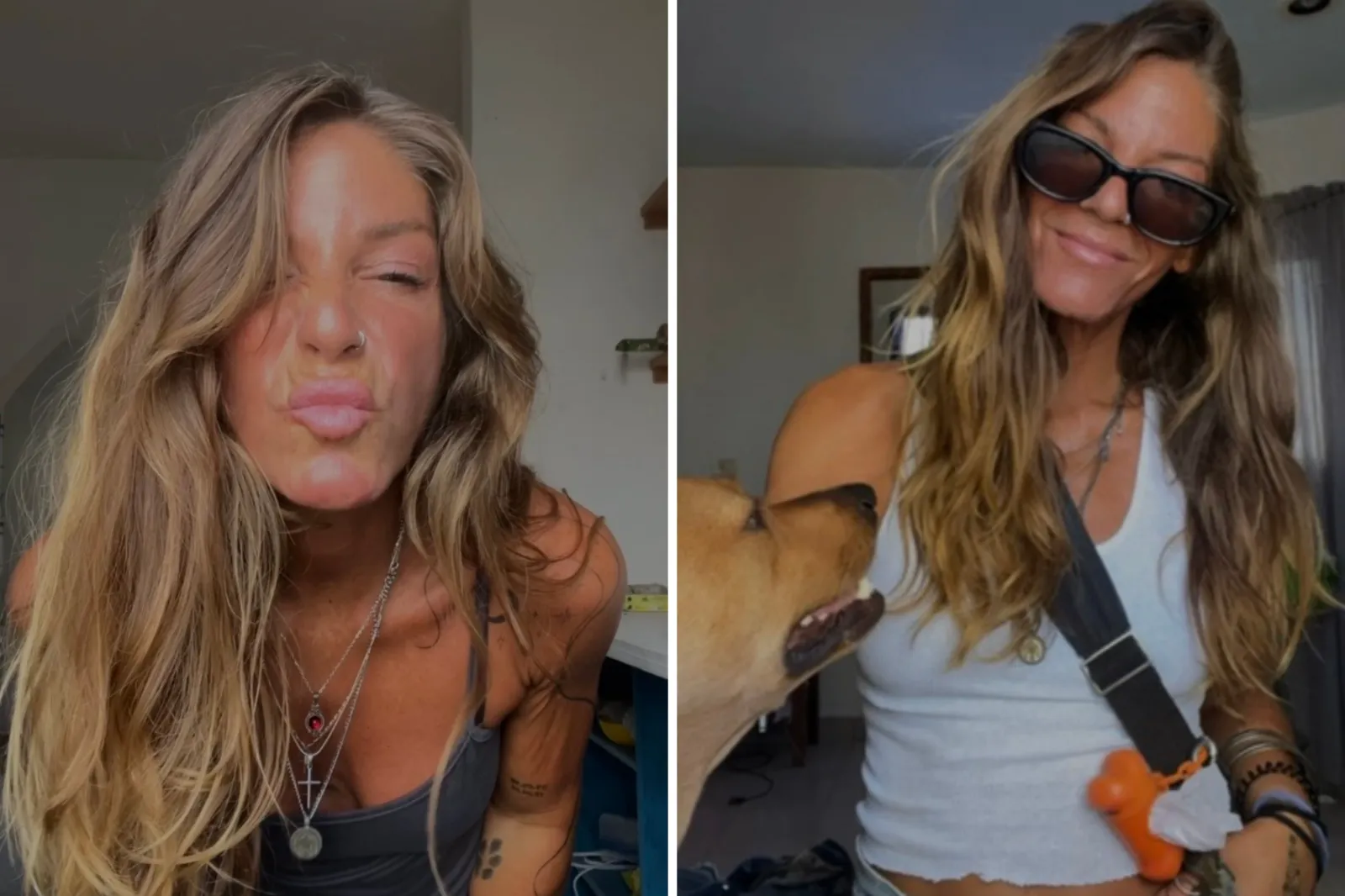
Angela Casadonte, 46, is originally from Boston, Massachusetts, and now lives in Cancun, Mexico, with her rescue dog, India. Through her platform, @thehopechase, she shares her journey of building a new life and encourages others to pursue fresh starts.



Leave a Reply