

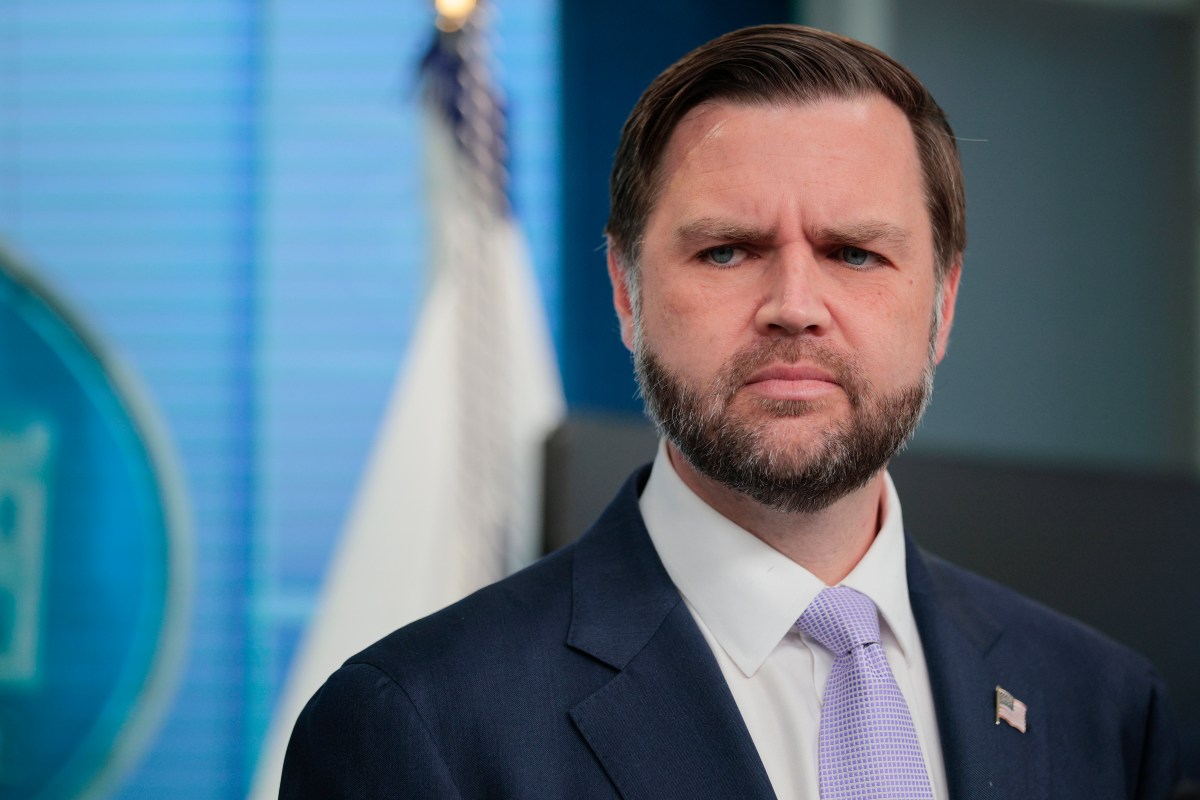
Vice President JD Vance sees religion as a means of helping solve some of America’s biggest problems, and he criticized Republicans for wanting to divorce politics from religion when it doesn’t serve them.
In his book Communion: Finding My Way Back to Faith, released on Tuesday, Vance criticizes Christians for applying religious principles without regard for the real world. His criticism cuts across the political spectrum, targeting both libertarians and the far left on some of the biggest problems facing the country, including the economy and immigration.
“Republicans are far too willing to worship the market and assume that free commercial transactions inevitably lead to good. Democrats are far too willing to idolize the self and assume that everything done in the name of self-discovery is good,” the Catholic convert said.
While many want a separation of politics and religion, Vance argues that the Christian church’s involvement in aspects of American society could help address the problems the country faces. But by pushing to separate church from state, Republicans are working against that mission.
“When the Church offers its insights on abortion, I sometimes hear people on the left say, ‘The Church should stay out of politics.’ I hear the same thing when conservatives backbite a Christian pastor for talking about taking care of the poor or treating immigrants with dignity,” Vance wrote in the book. “This attitude makes the Church irrelevant.”
Vance argues that Christianity should “inform the whole of a person,” and that telling the church to stay out of parts of life where politicians disagree with its stance “cuts it off and isolates it in a box.”
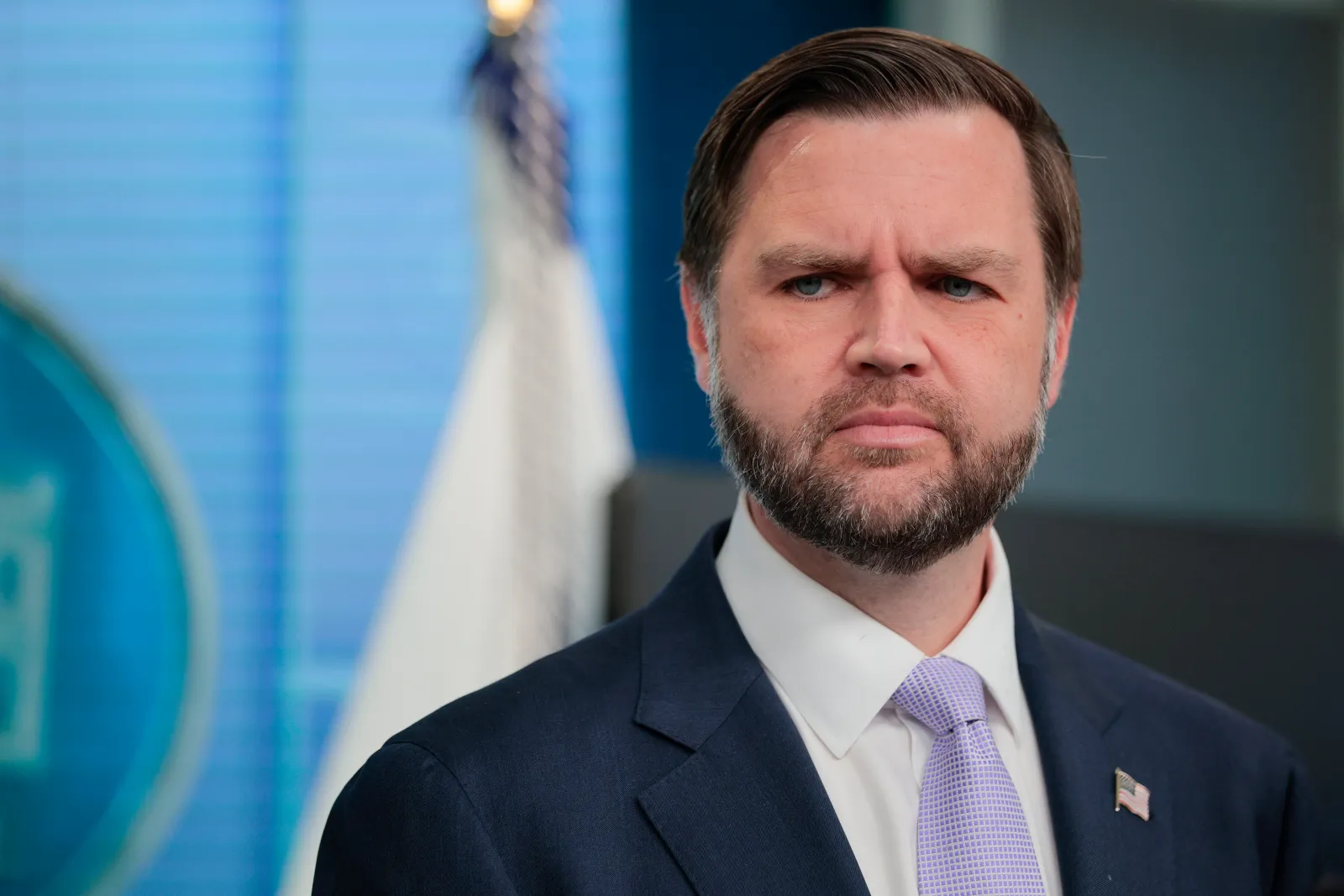
Immigration and the Catholic Church
The Trump administration’s immigration policies have been criticized by pastors and the Catholic Church.
In 2025, the Conference of Catholic Bishops issued a statement expressing deep concern about what it describes as a climate of fear, harsh rhetoric, and policies affecting immigrants, including family separations, detention conditions, and loss of legal status. The bishops emphasize that all people—regardless of immigration status—possess inherent human dignity and should be treated with compassion, while also recognizing the government’s right to regulate borders.
They called for meaningful immigration reform that balances humane treatment with lawful order, arguing that human dignity and national security are not in conflict. Grounded in Catholic teaching, the letter urges solidarity with immigrants, highlights their contributions to the United States, and encourages people of faith to support and accompany those facing hardship, reminding migrants that “you are not alone.”
The statement angered some Republicans, with then-Border Czar Tom Homan calling the Catholic Church “wrong” on its stance and telling it to spend time fixing itself instead.
Vance, however, called the document “admirably measured” in his book and said that the late Pope Francis’s approach to immigration “forced difficult conversations. He said bishops and clergy need to engage with the issue of immigration because majority-Christian societies have been “set on fire by the immigration issue.”
“Immigration is a particularly thorny version of a challenge I encounter every day in my job: how to take an accepted moral principle and apply it in the real world as a Christian leader,” Vance wrote.
Vance went on to say that people discussing immigration need to think in terms of reality rather than hypotheticals. For example, he said there will be “heartache” to deportations even if people think it is lawful and moral. He said it’s easy to agree that a country needs to control its borders and treat people humanely, but it’s more difficult to put that into practice. Other examples of the difficulties of immigration policy he highlighted are:
- Being too loose on enforcement that human trafficking is promoted
- Nations need to help people who are suffering, but too much immigration is making assimilation harder
Vance argued that as immigration increased, thereby creating demographic diversity, politicians rejected Christianity, which can foster cultural cohesion. Vance said the experiment of replacing Christian culture created racial strife, gender gap among young people, falling rates of love and partnership and a society with a declining population.
If America embraced Christianity, Vance argues, it would foster a society that tolerates “remarkable debate and dissent.”
U.S. Economy and Christianity
Vance also raises the question of what the Christian approach to the economy is in a modern world. If GDP is being maximized, family interests need to take a back seat to business demands. But a Christian approach would have concern for GDP, “only insofar as it promotes human flourishing,” he said.
“The economy is a means—an important one—to enable people to live good lives. The point at which we see the economy as the end in itself is the point at which we dehumanize ourselves,” Vance wrote.
Vance criticized former Vice President Kamala Harris’ approach to addressing the economic problems facing working parents, citing her proposal to extend the school day. The goal was to more closely align the school day and the workday so parents aren’t forced to balance both schedules. Instead, Vance said that there needs to be ways to enable parents to spend less time at work and more time with their kids.
But Vance also criticized conservatives for their view on kids and the economy, calling out Vanessa Brown Calder of the libertarian Cato Institute. She argued against paid parental leave because it increases labor and health care costs for companies.
“If you think about this argument for even a second, it’s astonishing: Paid parental leave is bad for women, and the reason it’s bad for them is that it might lead to increased labor or health care costs for their employers,” Vance said. “Never have I read a purer distillation of our worship at the altar of commerce.”
Vance argued that a more Christian economy would be geared toward “creation and dignity” and criticized Christians for largely ignoring the economics of social life in favor of cultural aspects.








Leave a Reply