

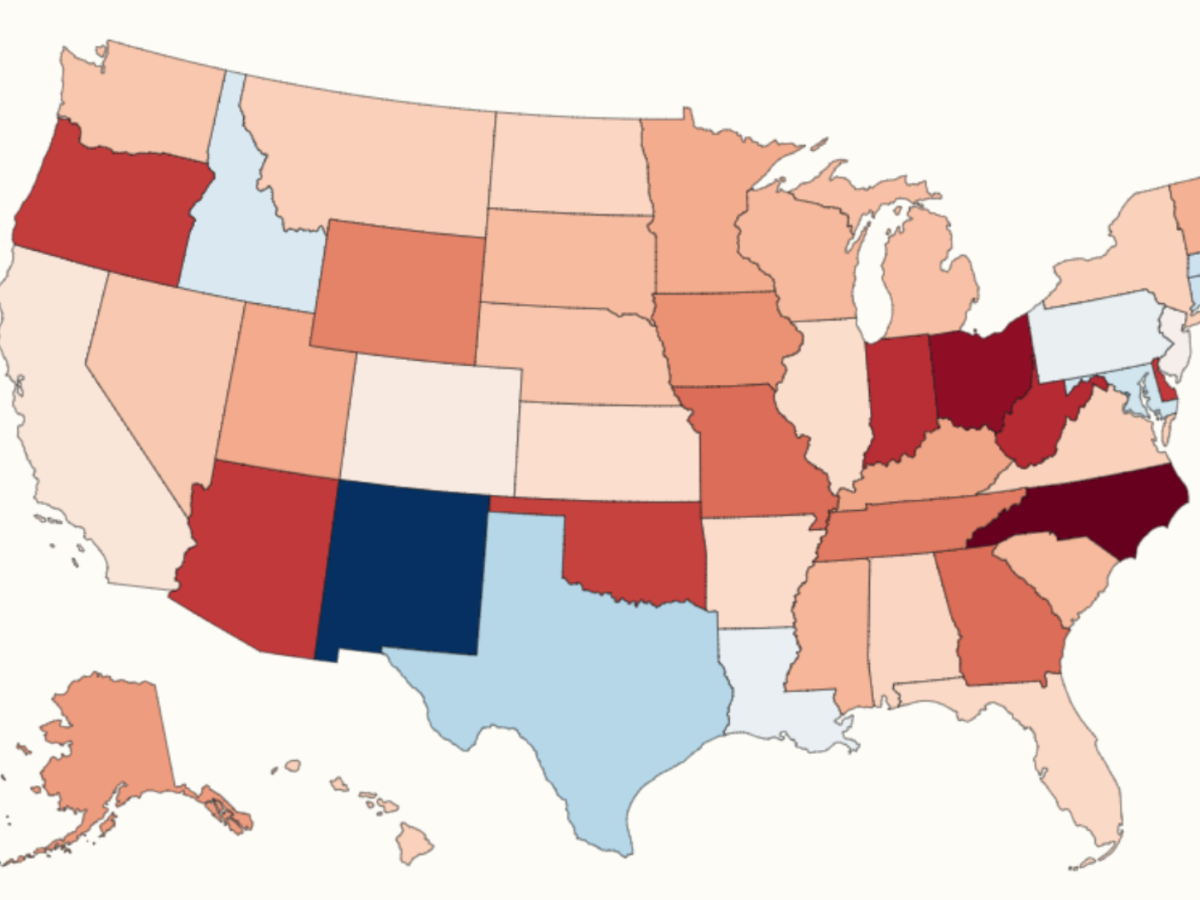
Affordable Care Act (ACA) enrollment, also known as Obamacare, has fallen sharply in 2026, after enhanced federal tax credits expired at the start of the year, leaving millions of Americans facing significantly higher health insurance costs.
A June 8 report from the Commonwealth Fund found that marketplace enrollment fell by 1.2 million people during the 2026 open enrollment period—a 5 percent drop from the previous year and the largest annual decline since the ACA exchanges launched in 2014.
The decline has implications far beyond marketplace sign-up numbers. Health policy analysts warn that rising premiums and falling enrollment could leave millions more Americans uninsured, increasing financial strain on households while reversing years of gains in health coverage.
The enrollment drop follows the Trump administration’s decision to allow enhanced ACA subsidies to expire at the end of 2025. Those tax credits had expanded access to marketplace coverage for millions of Americans. Without them, premiums were expected to rise by an average of 75 percent, according to analysis from the Peterson Center on Healthcare and KFF.
The subsidies were available to those with household incomes between 100 percent and 400 percent of the federal poverty level. Most of the Americans relying on them are students, workers in small businesses, those who are self-employed and those who are retired.
Which States Have Seen the Biggest Enrollment Losses?
Enrollment fell in 41 states during the 2026 sign-up period, according to data from the Centers for Medicare and Medicaid Services (CMS), with several reporting double-digit percentage declines.
States seeing the highest decreases in ACA enrollment (all with drops in enrollment over 15 percent) included:
- Arizona
- Delaware
- Indiana
- North Carolina
- Ohio
- Oklahoma
- Oregon
- West Virginia.
North Carolina had the sharpest decrease in enrollment, at around 22 percent.
A handful of states bucked the national trend. Enrollment held steady or increased in:
- Connecticut
- Idaho
- Louisiana
- Maryland
- Massachusetts
- New Mexico
- Pennsylvania
- Rhode Island
- Texas.
New Mexico posted the largest gain, with enrollment rising by 18 percent.
Higher Costs Emerge as the Main Driver
Researchers and health policy experts overwhelmingly point to rising costs following the subsidy expiration as the primary reason for the enrollment decline.
The Congressional Budget Office (CBO) previously projected that marketplace enrollment could shrink by roughly 25 percent after the enhanced premium tax credits expired.
Evidence of mounting affordability pressures is already emerging.
A KFF survey conducted in late February and early March found that 9 percent of 2025 marketplace enrollees had become uninsured, while 4 percent of returning enrollees had not paid their first month’s premium.
Another 17 percent said they were not confident they could afford coverage for the full year.
The impact has been particularly pronounced among people just above the former subsidy eligibility threshold. KFF found that this group represents only 3 percent of marketplace enrollees but accounted for 27 percent of the overall enrollment decline.
Analysts warn the losses could accelerate in the months ahead.
The Commonwealth Fund estimates ACA enrollment could decline by between 17 percent and 26 percent over the course of 2026, potentially leaving around 5 million fewer Americans with health coverage than a year earlier.











Leave a Reply