

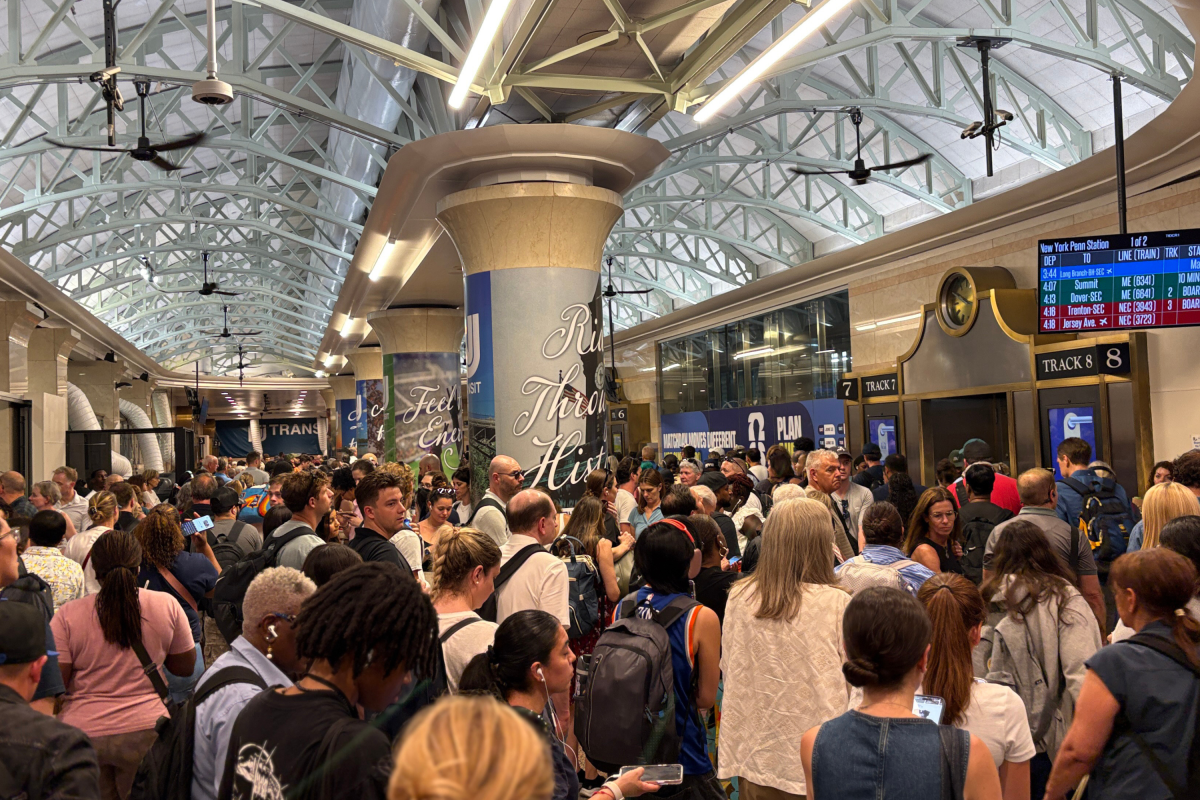
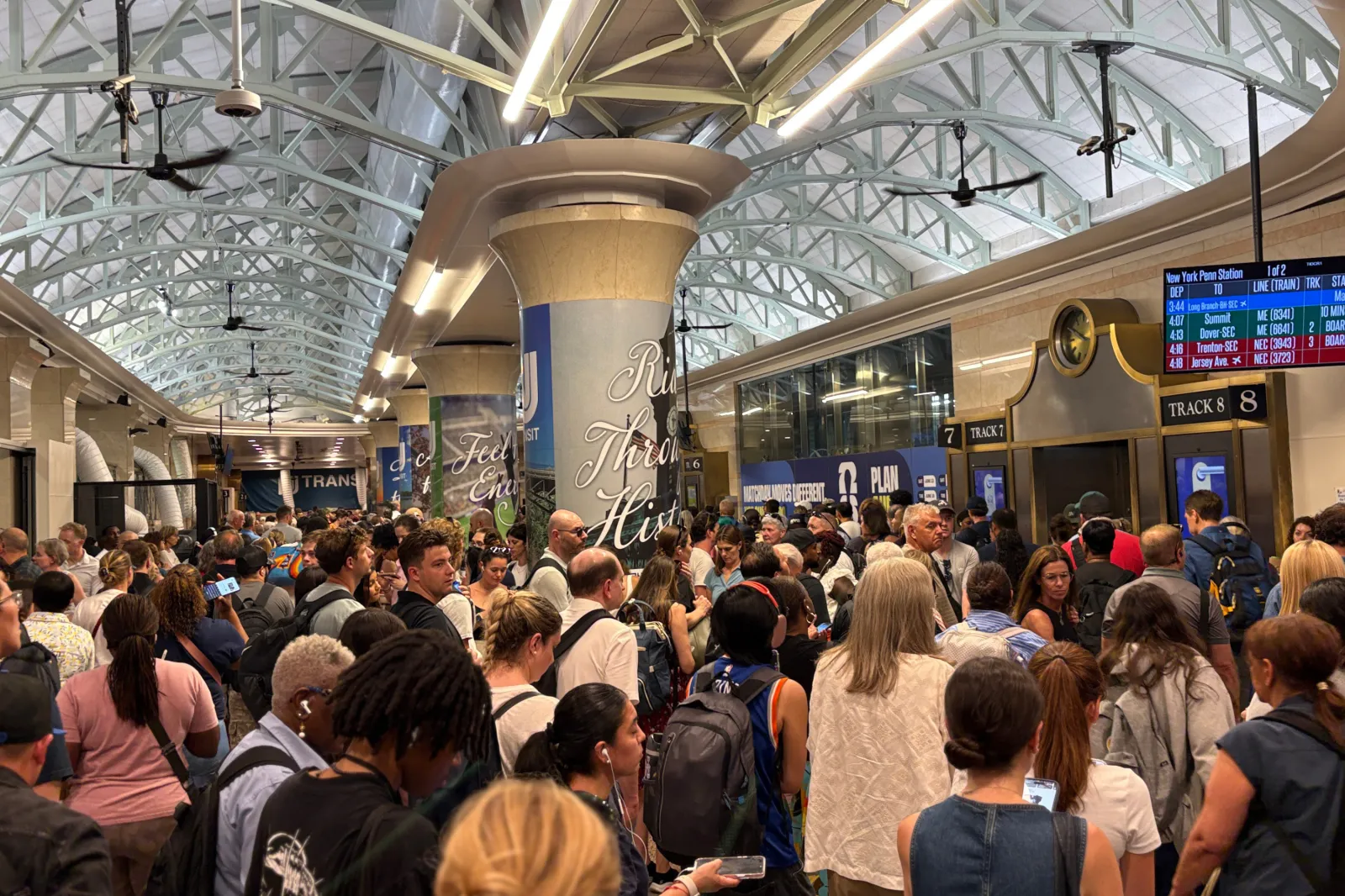
Mass gridlock and widespread transit disruption hit New York City and New Jersey on Saturday, June 13, 2026, as the 2026 FIFA World Cup’s regional opener exposed cracks in transport planning—leaving thousands of travellers stranded and scrambling for alternative ways to get home.
The chaos unfolded as the first match in the New York-New Jersey region—Brazil vs. Morocco at MetLife Stadium—drew tens of thousands of fans into Midtown Manhattan.

Streets around Penn Station and Madison Square Garden were shut down to prioritize shuttle buses carrying ticket holders to the game, effectively bringing traffic in parts of the city to a standstill.
Some travelers on social media described the situation as “chaotic,” many described receiving conflicting directions from authorities, and others cited confusion navigating the closures.
One visitor from the Netherlands told the New York Post that “One cop told us to go this way, and the other one told us to go the other way, and now we need to walk around again.”
Meanwhile, NJ Transit services at Penn Station were largely reserved for match ticket holders, leaving regular commuters stranded for hours and forced to find alternatives such as rideshares or buses.
The disruption was not unexpected—officials had warned that up to 1.2 million fans could descend on the region during the tournament—but the scale of delays prompted criticism that authorities failed to properly prepare for, or communicate, the impact to the public.
Infrastructure Concerns Stretch Beyond New York
The issues in New York and New Jersey are part of a broader concern about infrastructure readiness across World Cup host cities.
Even before kickoff, transport experts warned that the 2026 tournament—spread across 16 cities in the United States, Canada, and Mexico—would test transit systems to their limits, with congestion, bottlenecks, and service disruptions expected near stadiums.
Cities including Los Angeles, Toronto, and Vancouver have already been flagged as vulnerable to heavy congestion and travel disruption during match days, with studies warning that many host cities are poorly prepared to absorb sudden spikes in traffic.
Commercial Carrier Journal cited Mike Branch, vice president of Geotab, a data and analytics firm, as saying, “The world’s most popular sport is coming to cities across North America, putting the infrastructure of many cities through the ultimate pressure test this summer.”
Officials Scramble To Limit Further Disruption
Local and federal officials had already voiced concerns about transport reliability in the lead-up to the tournament. New Jersey Congressman Frank Pallone warned that weeks of service disruptions on the Northeast Corridor—one of the busiest rail networks in the country—could “create another Summer of Hell for fans and commuters alike.”
Persistent issues, including power failures, repair work, and a recent tunnel fire, have raised doubts about whether existing infrastructure can handle the surge in demand.
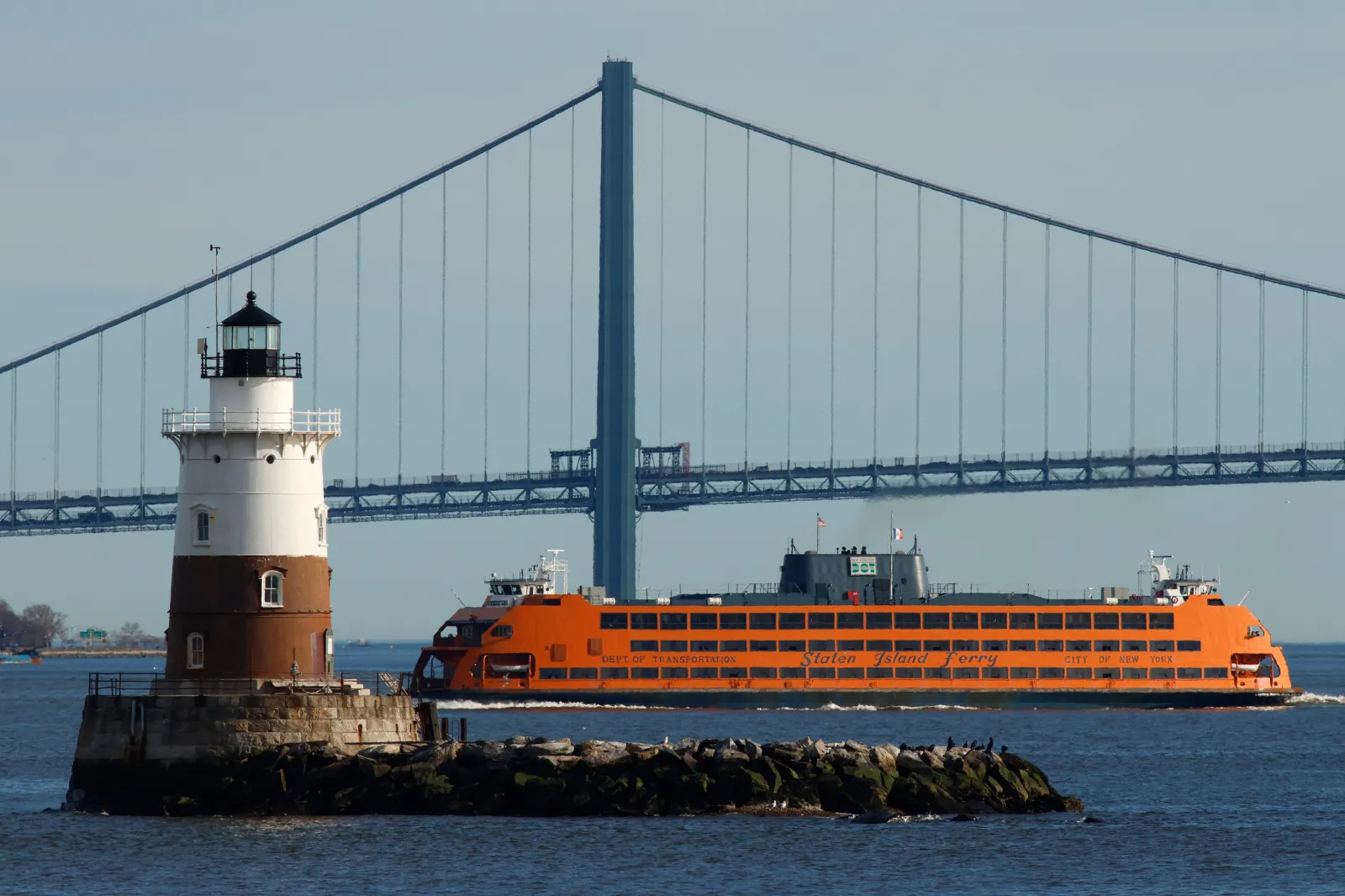
In response, transit agencies have rolled out contingency plans. According to Politico, New Jersey has prepared backup ferry services and over 500 buses to transport fans in the event of rail disruptions, while Amtrak confirmed it has deployed additional crews and increased inspections to help improve reliability.
Amtrak officials said the company had invested in maintenance and contingency planning to ensure “safe, reliable, and seamless travel,” with extra staff stationed along the Northeast Corridor to respond quickly to incidents.
How Travellers Can Prepare For Future Matches
With further match days scheduled throughout June and July, commuters and visitors are being urged to take extra precautions.
Key tips include:
- Plan routes in advance: Expect street closures and transit restrictions near venues
- Allow extra travel time: Peak congestion can begin hours before kickoff
- Avoid driving where possible: Authorities continue to encourage public transit use
- Monitor official updates: Conditions may change quickly, especially if delays occur
Officials have also advised travellers to consider alternative transit hubs or off-peak travel times to avoid the worst disruptions.
A Warning Sign For The Rest Of The Tournament
Saturday’s gridlock has become an early warning for what could follow as the World Cup continues. While organisers insist systems are in place to manage crowds, the opening weekend showed how quickly demand can overwhelm infrastructure.
For millions of fans expected to travel between matches in the coming weeks, the experience may depend less on the action on the pitch—and more on whether they can get there at all.








Leave a Reply