


Millions of people across parts of California, Oregon, and Washington are under urgent heat alerts as the National Weather Service (NWS) warns of “lethal temperatures” and elevated overnight heat that could pose serious health risks.
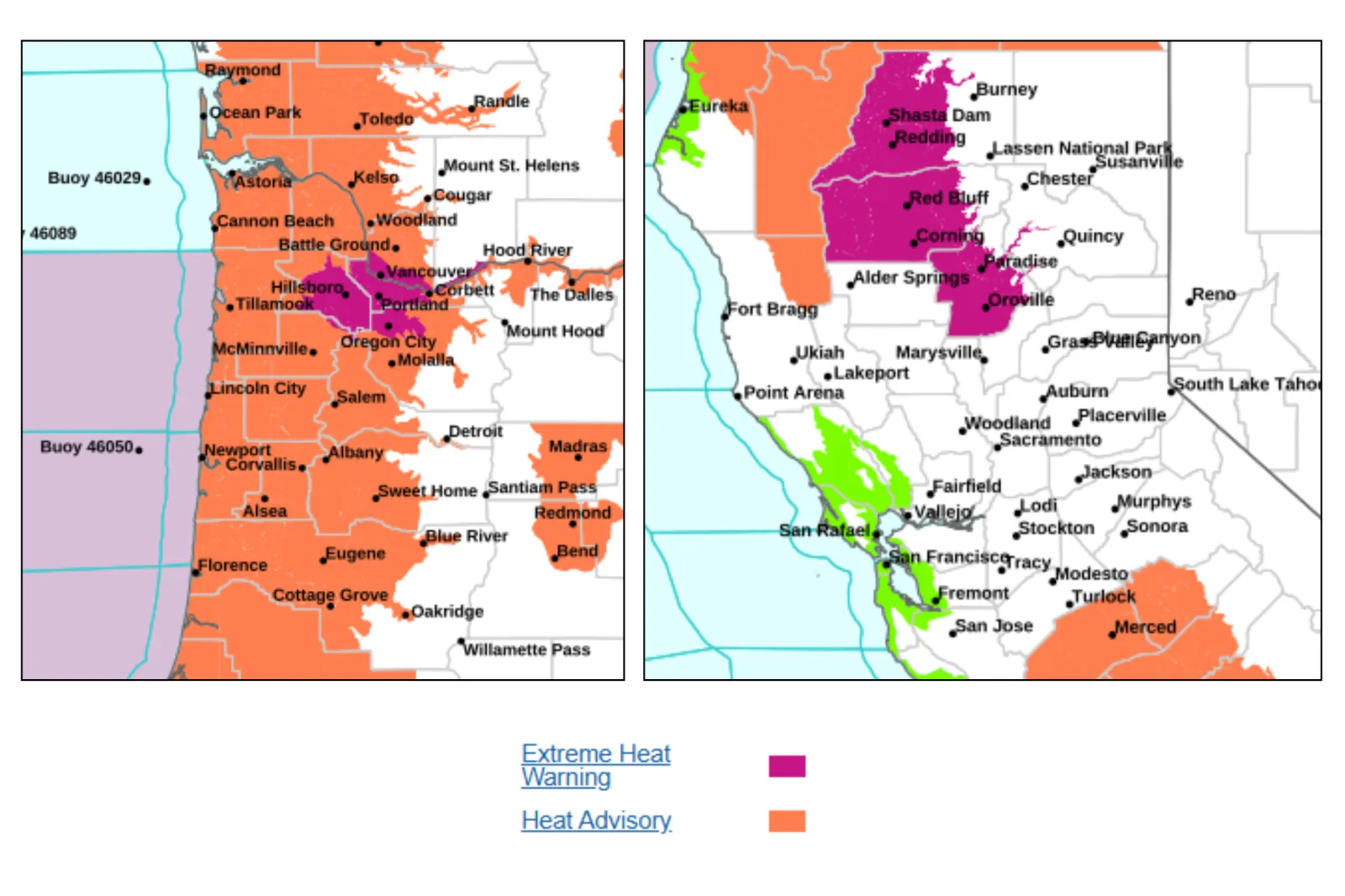
Where the Heat Warnings Are in Place
An Extreme Heat Warning is in effect from mid-Sunday morning to Tuesday evening across large areas of:
- Northern California, including the Sacramento Valley, Shasta County, and the surrounding foothills.
- The Portland, Oregon metro area, extending into southwest Washington, including Vancouver and the Columbia River Gorge.
What Conditions People Should Expect
The NWS says that the region will experience prolonged, “dangerously hot conditions” with little overnight relief:
- California: Temperatures could reach up to 110 F, with overnight lows staying in the 70s, preventing temperatures from dropping, offering little nighttime relief
- Oregon/Washington: Highs of between 95 and 100 F are expected, with nighttime temperatures remaining in the low-to-mid 60s.
The heat is expected to reach its peak through Sunday and Monday, with a slight cooling trend beginning on Tuesday.
The NWS warns that this level of heat corresponds to a “Major Heat Risk,” meaning anyone without adequate ways to cool down or hydrate properly is likely to be affected. The National Oceanic and Atmospheric Administration (NOAA) supports this by saying that “extreme heat with no overnight relief [affects] anyone without cooling/hydration as well as health systems, industries, and infrastructure.”
How Unusual Is This Heat?
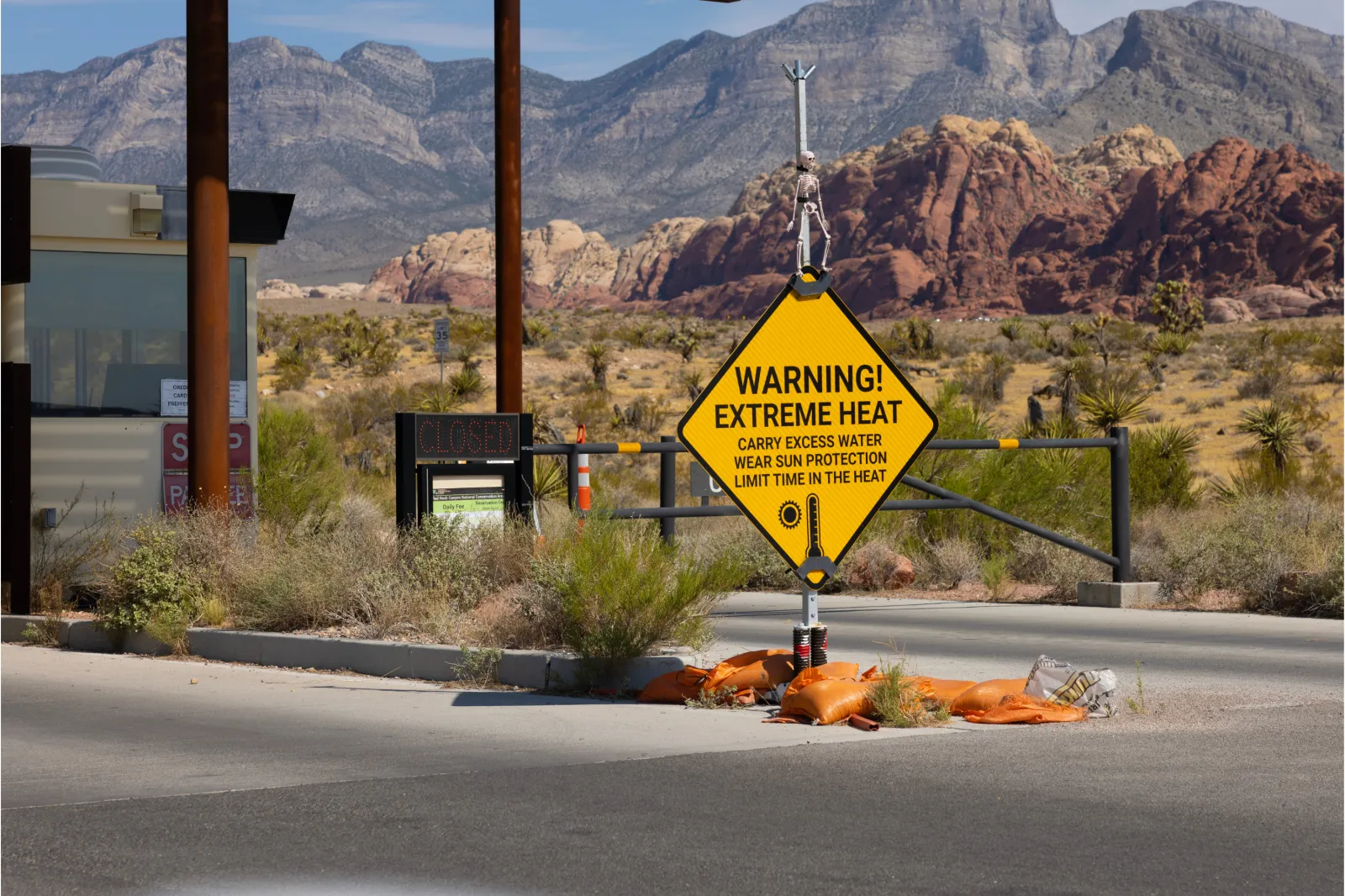
While summer temperatures in inland California can regularly exceed 100 F, this level of prolonged heat — especially combined with warm nights — severely increases health risks.
The California Office of Environmental Health Hazard Assessment says that “long periods of high temperatures are particularly dangerous when nights remain warm… warm nights do not allow the body to recover after a hot day.”
In contrast, typical mid-June highs in the Portland area are usually far lower than the upper 90s, with temperatures usually averaging between 61 and 65, making this heat event particularly notable for the Pacific Northwest.
What People Should Do
NWS officials are urging residents to take precautions, particularly during the peak afternoon hours. They recommend that those in affected areas should:
- Stay in air-conditioned or cool indoor spaces. Those without air conditioning are encouraged to use fans to keep the air circulating
- Drink plenty of fluids and avoid alcohol or excess caffeine
- Wear lightweight, loose clothing
- Keep windows and doors closed during the day, but leave them open overnight
- Avoid strenuous outdoor activity during the hottest parts of the day
- Check on elderly neighbors, young children, and pets
- Never leave anyone, including pets, in a parked vehicle, where temperatures can become fatal within minutes
- Look out for symptoms of heat-related illness, such as heat exhaustion or heat stroke
Those without access to adequate cooling methods should seek cooling centers, which are usually in publicly accessible, air-conditioned buildings, such as libraries, community centers, and town halls, according to the California Department of Public Health (CDPH).
The Oregon Department of Human Services issued similar advice, urging residents to call 211 “to locate cooling centers and other hot weather resources.”
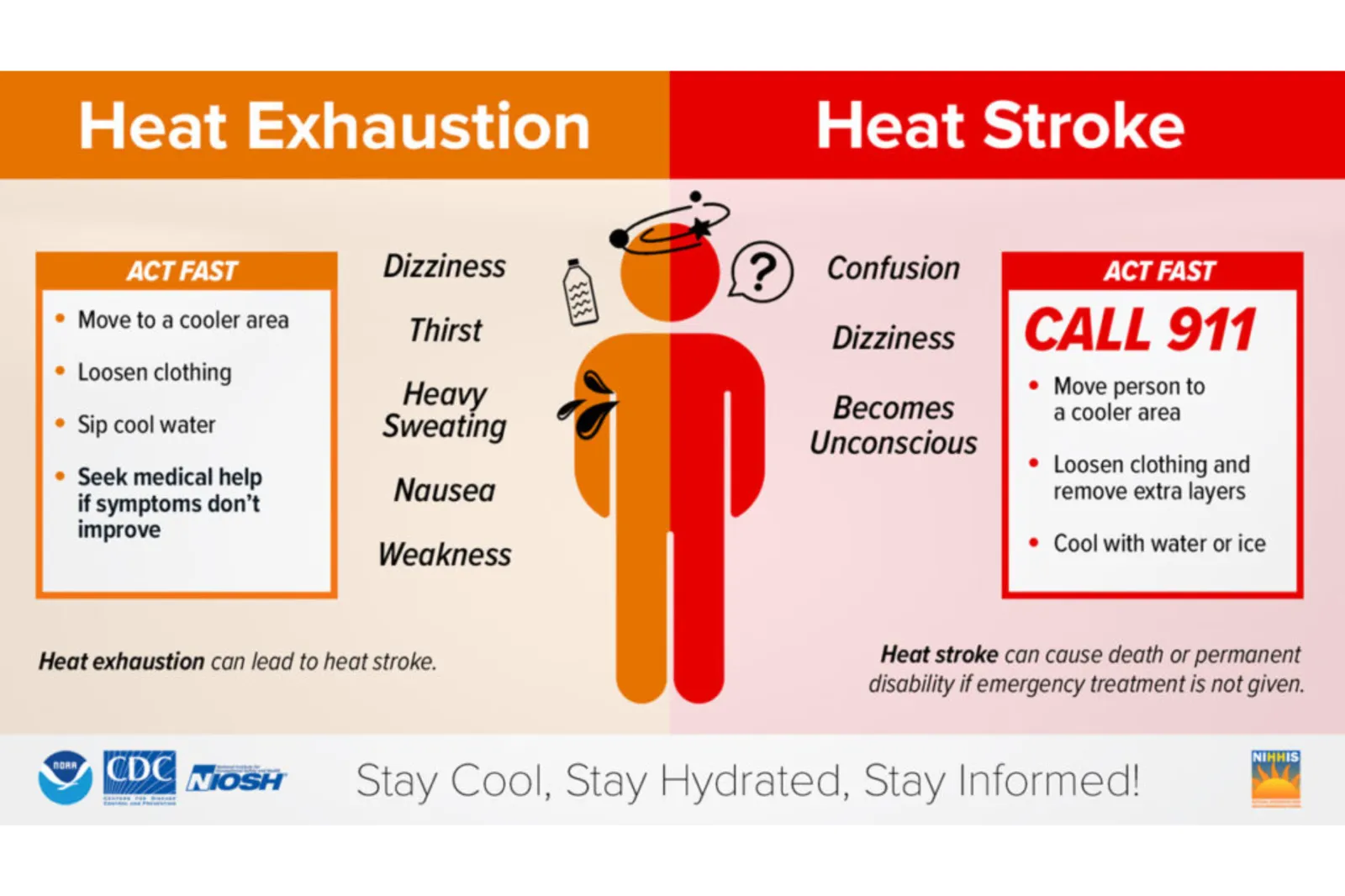
According to heat.gov, a government-backed resource, extreme heat can overwhelm the body’s ability to regulate its temperature, leading to serious medical conditions, including heat cramps, heat exhaustion, and heat stroke.
Common symptoms of these conditions can include:
- Heat cramps: Heavy sweating, muscle pains, or spasms
- Heat exhaustion: Heavy sweating, dizziness, nausea, weakness
- Heat stroke: Confusion, high body temperature, lack of sweating, and possible loss of consciousness
Health officials warn that heat stroke can cause “death or permanent disability” if it’s not treated quickly, so anyone suffering from heat stroke symptoms should treat it as a medical emergency and get immediate attention.
Anyone experiencing any type of symptoms should be moved to a cool place, hydrated, and closely monitored.
Hidden Danger: Cold-Water Shock Risk in Rivers
While much of the West braces for extreme heat, officials are also warning of a less visible but potentially deadly hazard—cold-water shock in rivers and lakes fed by mountain snowmelt.
During extreme heat, people often seek relief in rivers and lakes, but despite soaring air temperatures, waterways across parts of California, Oregon, and Washington can remain dangerously cold well into early summer. The NWS explains that sudden immersion into cold water can overwhelm the body’s ability to regulate temperature, triggering rapid breathing, gasping, and loss of muscle control and coordination, making it difficult to stay afloat or return to shore, which can quickly lead to drowning.
The shock of cold water can incapacitate even strong swimmers within minutes, particularly in fast-moving or high-elevation waterways.
Cold-water shock doesn’t require freezing temperatures to be considered dangerous, either.
Officials are urging the public to take precautions if anyone is planning on taking a dip to cool down:
- Avoid jumping directly into cold rivers or lakes
- Wear a life jacket, especially in unfamiliar or fast-moving water
- Be aware of strong currents and submerged hazards
- Enter the water slowly to allow the body to adjust
Outlook for the Week Ahead
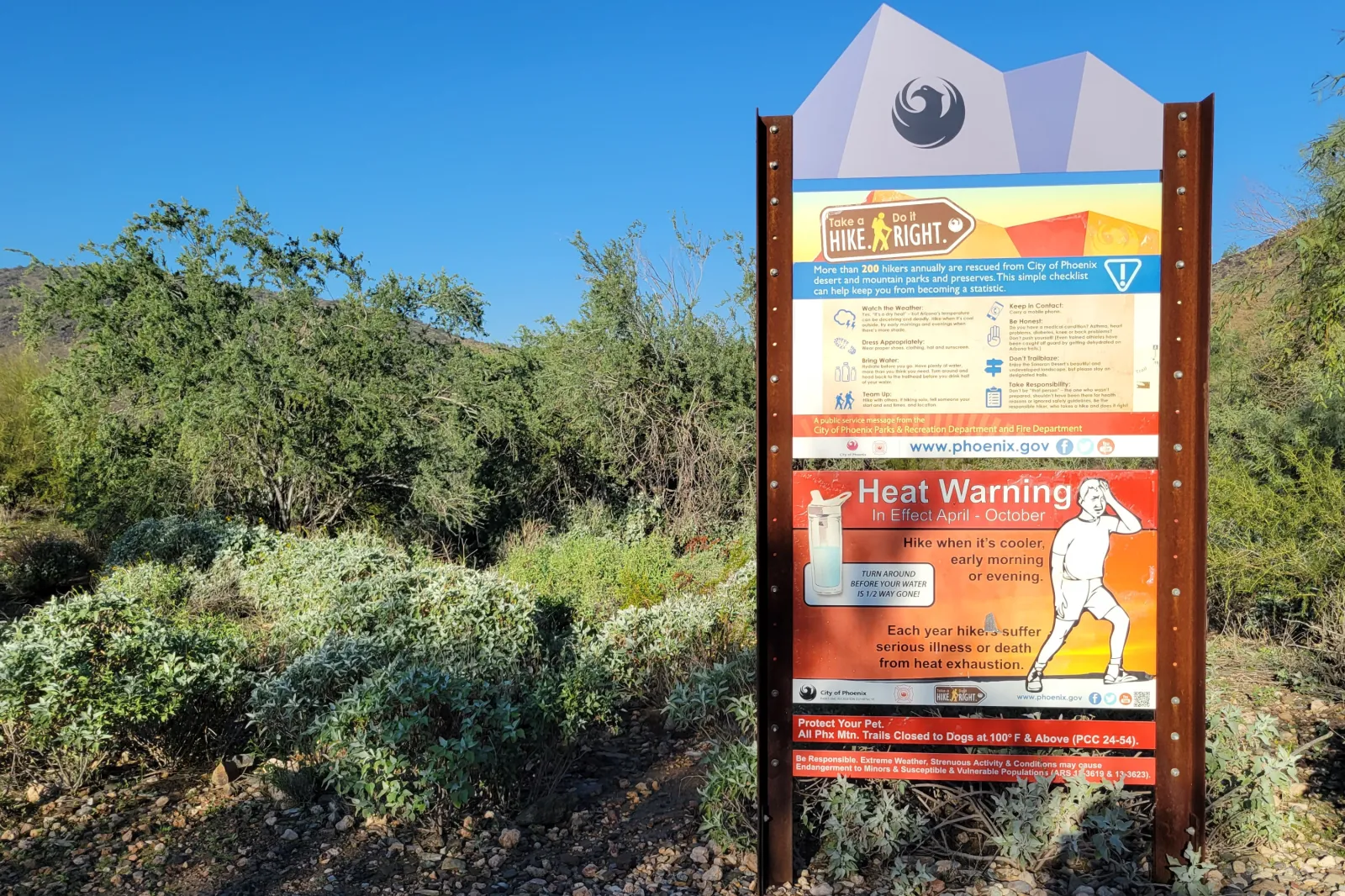
- California: The NWS is predicting that triple-digit heat is expected to persist into early next week, with some moderation possible in areas influenced by coastal breezes, though inland locations will remain dangerously hot.
- Oregon/Washington: The Portland region is expected to see its hottest conditions on Sunday and Monday, followed by a gradual cool-down beginning Tuesday, though conditions may remain warm.
Forecasters emphasise that multiple days of heat with limited overnight cooling can compound health risks, especially for vulnerable populations.









Leave a Reply