

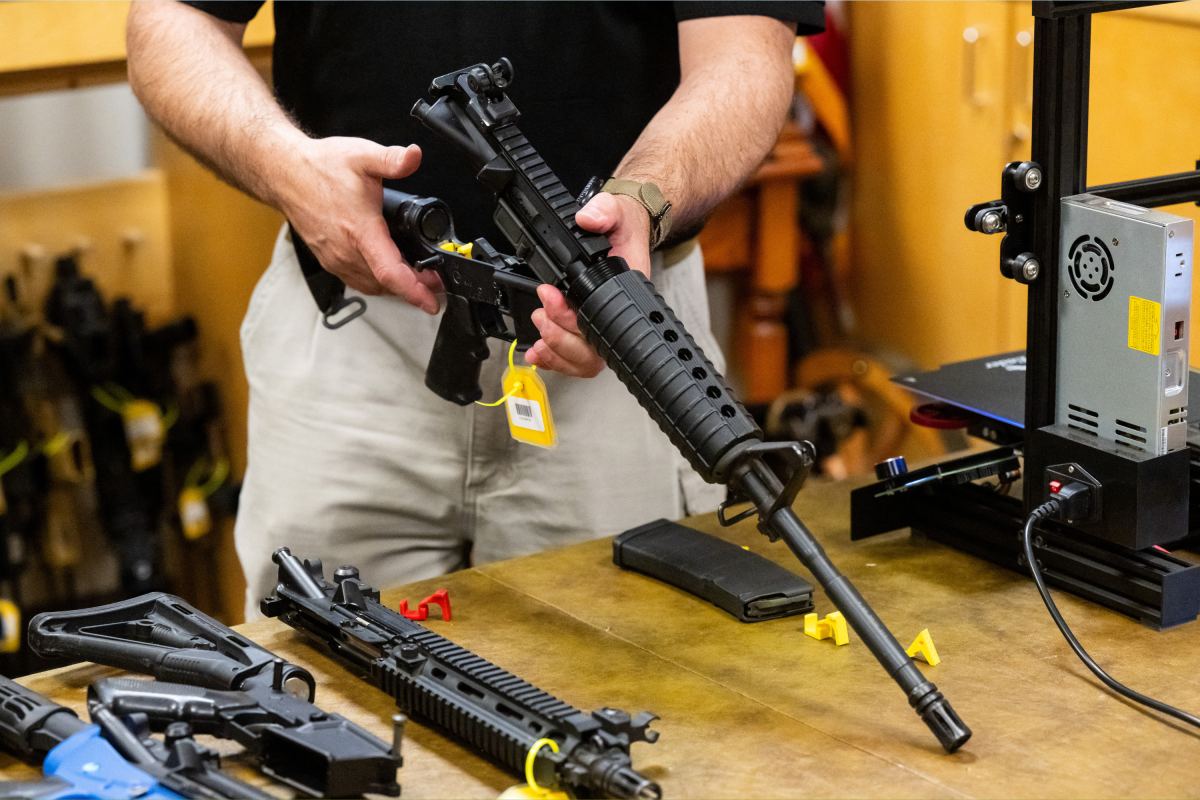
A new law in New York is taking aim at a fast-growing source of untraceable weapons: Guns made using 3D printers.
The new policy, first unveiled by Governor Kathy Hochul as part of her 2026 State of the State agenda, includes a first-of-its-kind proposal to mandate safety standards for 3D printers, sold for home or business use, which are designed to block the production of firearms and key gun components.
The move reflects growing concern among lawmakers and law enforcement about so-called “ghost guns,” which are homemade firearms that typically lack serial numbers and are, therefore, difficult to trace once used in crimes.
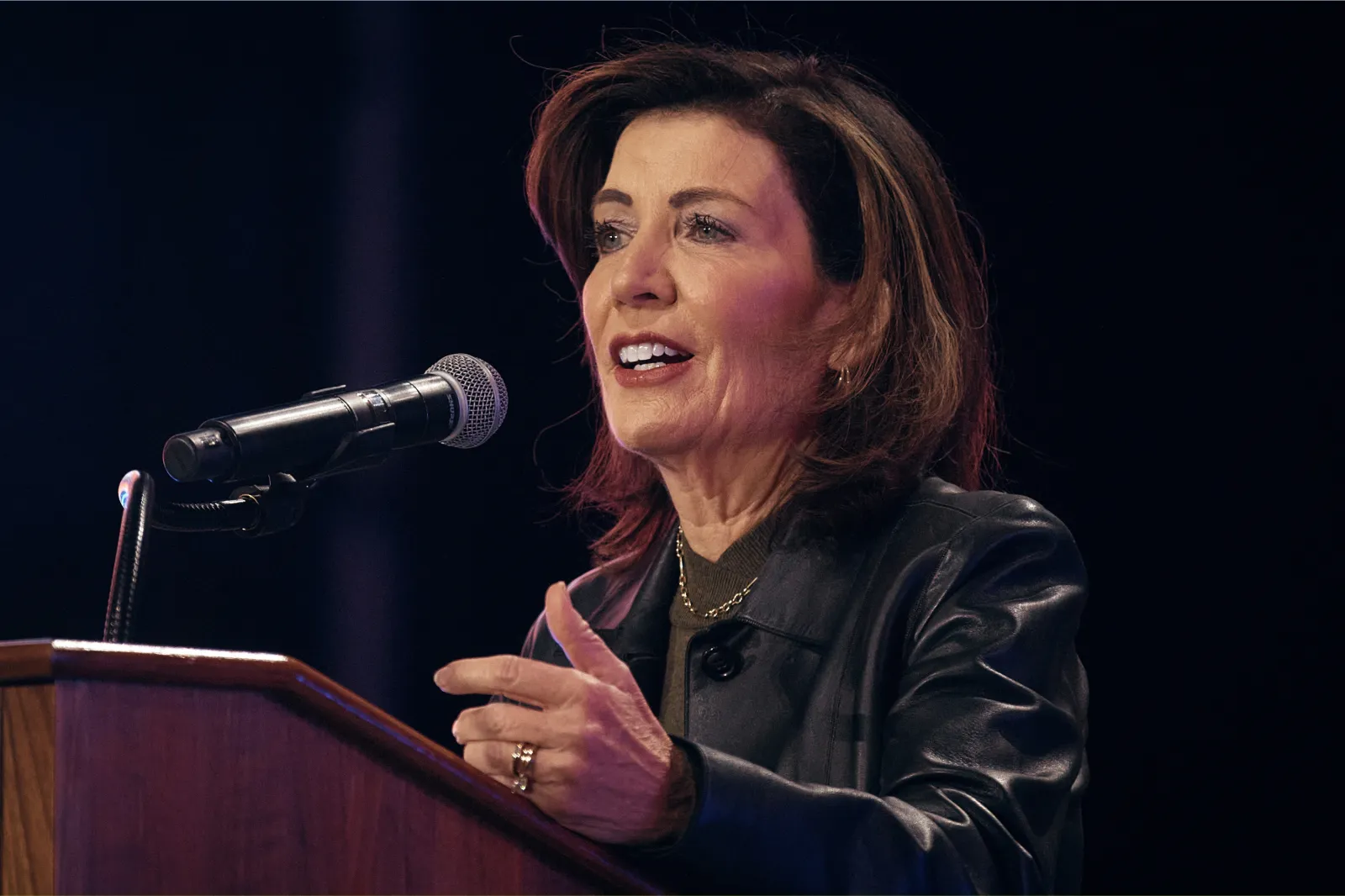
“Public safety is my top priority,” Hochul said when announcing the plan. “As gun technology continues to evolve, so do our strongest-in-the-nation gun laws.”
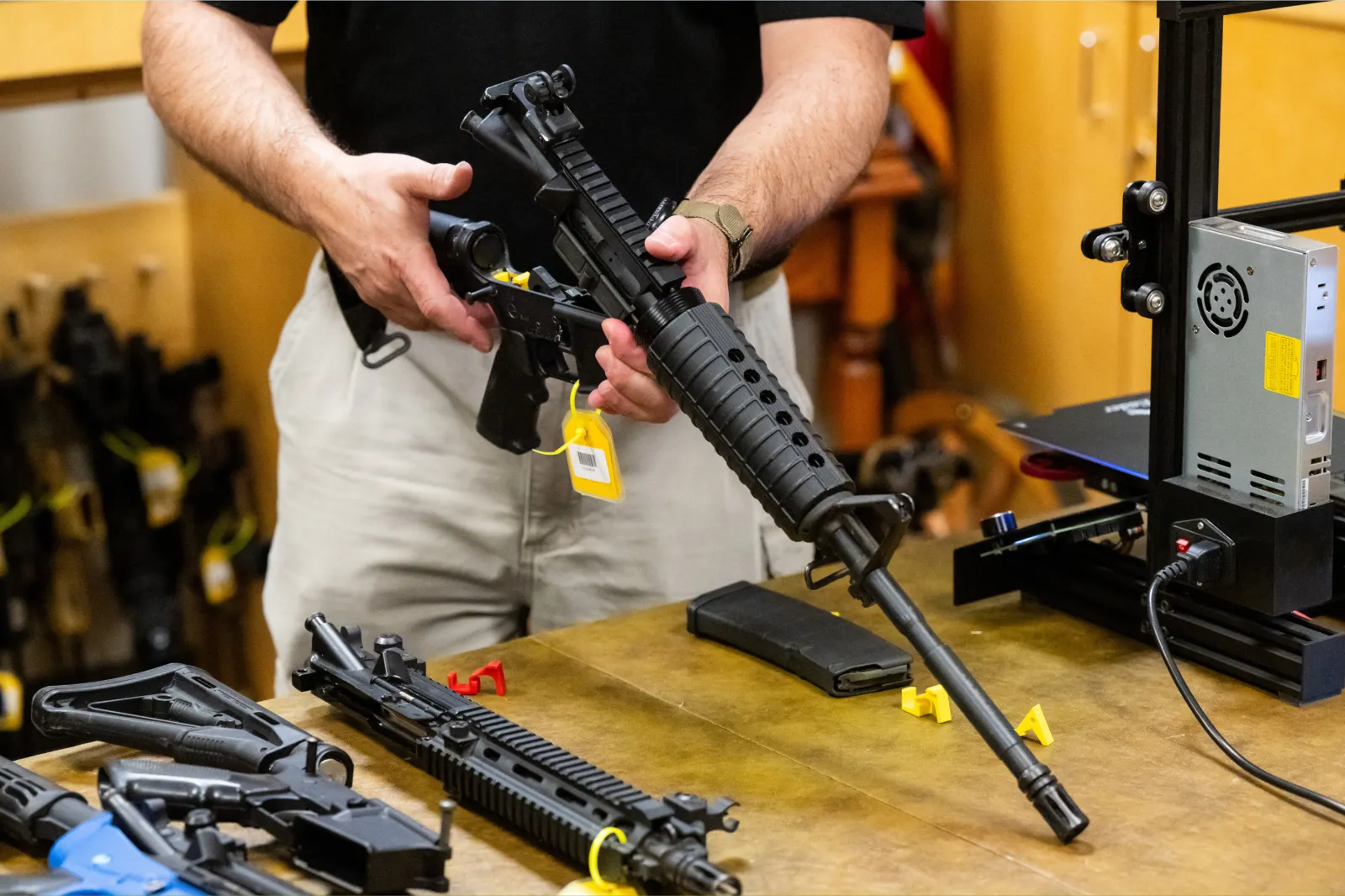
What the New Law Would Do
Unlike previous gun laws focused on buyers or manufacturers, the New York measure targets the technology itself.
Under the proposal—alongside establishing minimum safety standards for 3D printer manufacturers, aimed at preventing the devices from producing firearms or firearm parts—the broader legislative package also includes:
- Making it a crime to sell, share, or possess unlicensed digital instructions for producing firearms or gun parts.
- Requiring law enforcement to report all recovered 3D‑printed guns to a Criminal Gun Clearinghouse database, which is maintained by the New York State Police.
- Directing gunmakers to design pistols that cannot be quickly or easily modified into ghost guns (e.g., using Glock switches).
What Are 3D-Printed Guns?
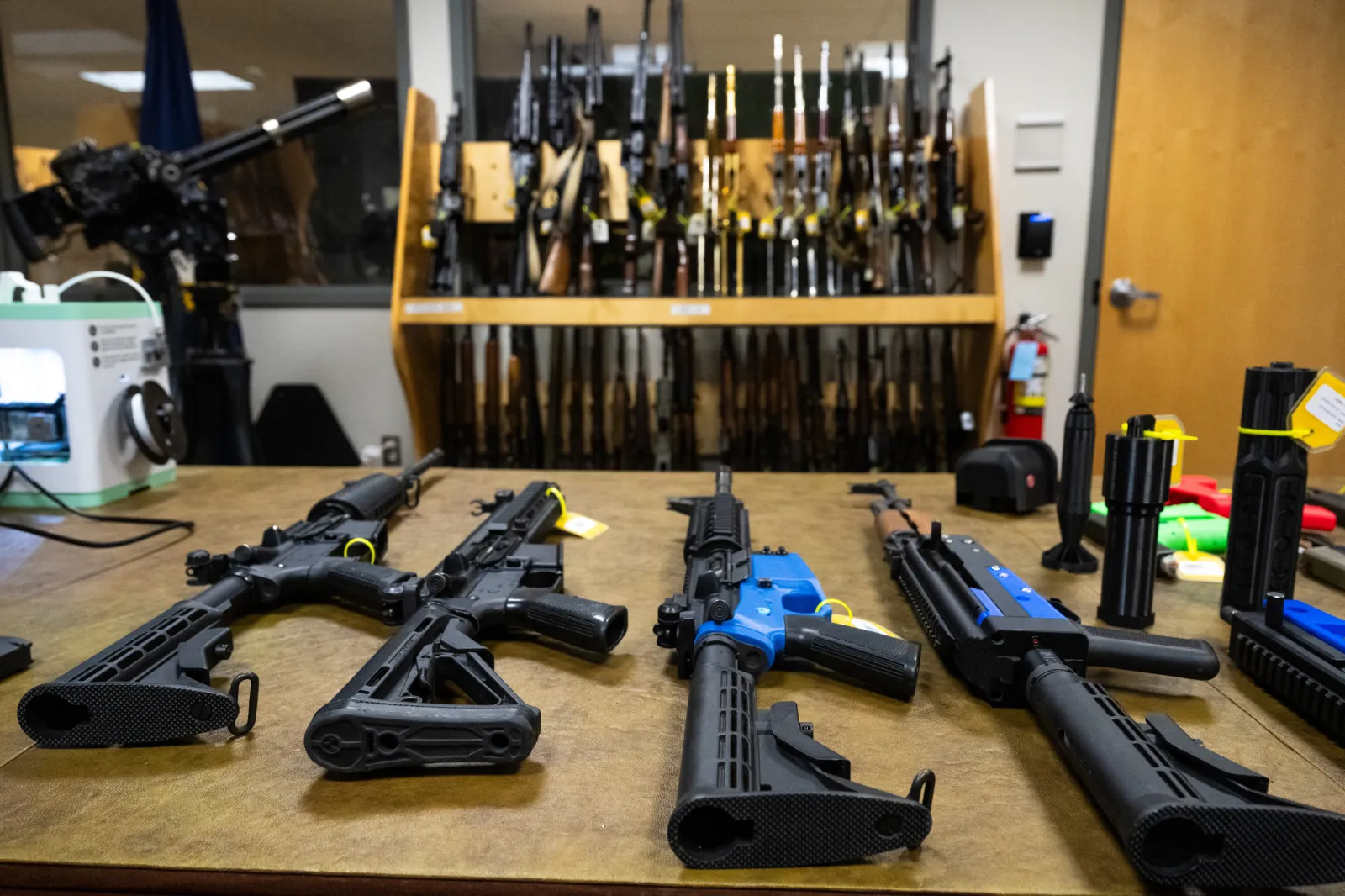
3D-printed guns are firearms, or parts of firearms, created using consumer-grade 3D printers and digital design files that are freely available online. These files can instruct a printer to produce components such as frames or receivers—the core parts of a working weapon.
Because these guns are often assembled privately and lack identifying serial numbers, they are commonly referred to as “ghost guns.” They can bypass traditional safeguards such as background checks that apply to purchases from licensed gun dealers.
Advances in technology and declining costs have made 3D printers more accessible in recent years, making it easier for individuals to create firearms at home.
Why Lawmakers Are Acting Now
Hochul’s proposal describes 3D-printed firearms as part of a rapidly evolving threat to public safety, linking the legislation to the broader rise of ghost guns in criminal activity.
The governor framed the initiative as a way to respond to what she called a shift from the traditional “iron pipeline” of trafficked guns to a “plastic pipeline” of weapons produced at home.
A Broader National Trend
The law is set to apply in New York, but its broader impact could extend beyond the state. Because of New York’s size and influence, industry changes made to comply with its rules could shape how 3D printers are designed and sold more widely.
Meanwhile, lawmakers across the U.S. have already begun tightening regulations on 3D-printed and other untraceable firearms. This year, states including Colorado, Maine, New Jersey, Virginia, and Washington enacted laws targeting “ghost guns,” such as limits on manufacturing and restrictions on sharing digital blueprints.
But proposals in New York and California go further, focusing on the technology itself by requiring 3D printers to include safeguards that block the production of firearms.
However, efforts haven’t advanced everywhere; a similar proposal in Minnesota failed to pass.
What It Means for the Public and Gun Owners
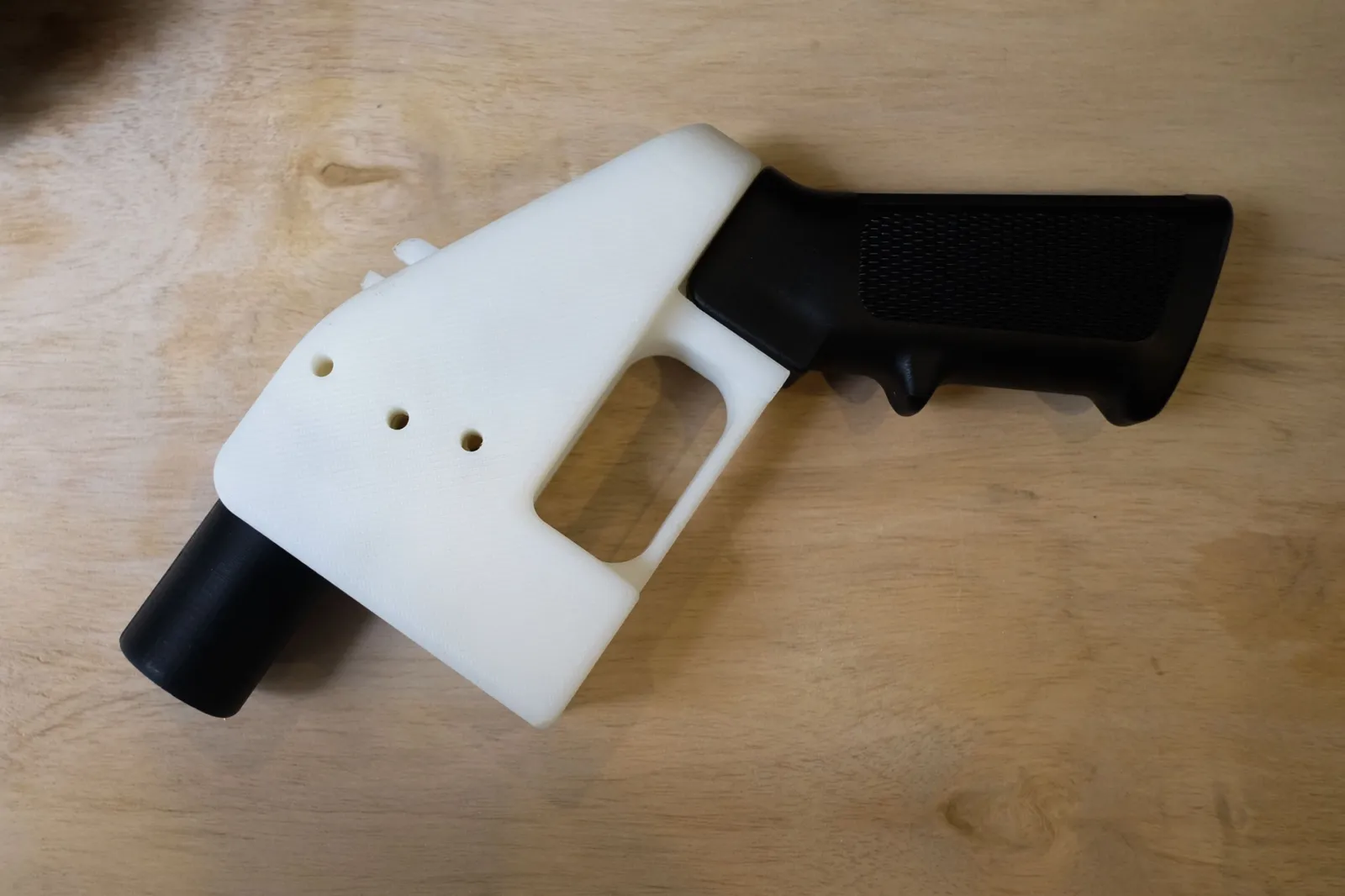
For the general public: For New York residents, the law could represent a new layer of protection against untraceable firearms, particularly as data shows police recoveries of “ghost guns” have surged nearly 1,600 percent since 2017, with more than 92,000 seized nationwide during that period.
For consumers and hobbyists: For consumers, particularly those who use 3D printers for personal or commercial projects, the changes could affect how devices are designed, sold, and used.
A Debate Just Beginning
The New York law highlights a broader debate over how governments should regulate emerging technologies that can be used to create weapons.
As similar proposals emerge across the United States, the outcome in New York could serve as a test case for how far regulators can go to limit the use of everyday consumer technology to produce firearms.







Leave a Reply