

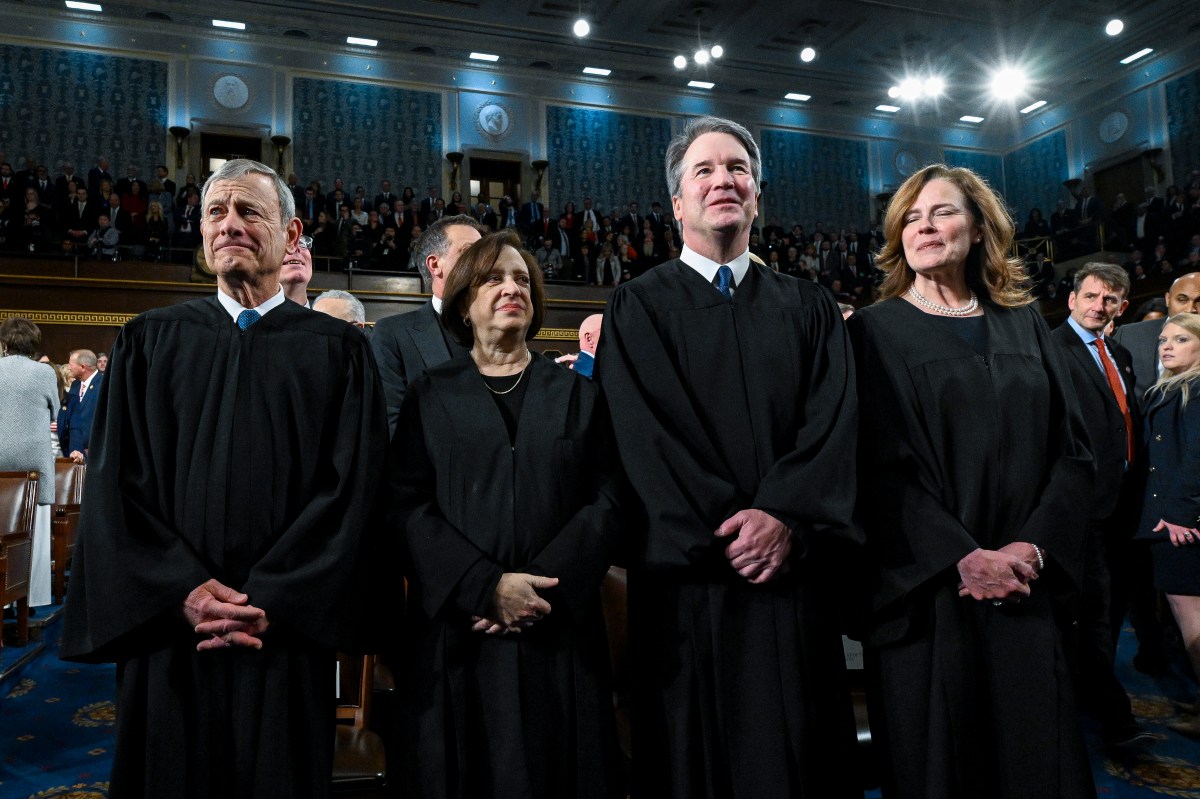
The Supreme Court on Thursday night blocked Alabama’s attempt to carry out a controversial execution using nitrogen gas, dealing a blow to Republican Governor Kay Ivey and upholding lower court rulings that had found the method likely unconstitutional.
In a brief order, the justices refused to grant Alabama’s emergency request to proceed with the execution of death row inmate Jeffery Lee, 49, who had been scheduled to die at 6 p.m. local time. The decision came after lower courts intervened, concluding that the state’s nitrogen hypoxia protocol likely violated the Eighth Amendment’s ban on cruel and unusual punishment.
The ruling effectively halted what would have been one of the latest executions carried out using nitrogen gas, a method Alabama pioneered in 2024. The technique involves depriving a person of oxygen by replacing breathable air with pure nitrogen, leading to death by suffocation.
The Supreme Court did not provide an explanation for why it rejected Alabama’s request, but the case divided conservative justices, with three dissenting, saying that they would have allowed the execution to move forward.
Ivey expressed frustration with the outcome but said that she was committed to getting justice for Lee’s victims.
“This evening the U.S. Supreme Court denied the state of Alabama the ability to execute death row inmate Jeffery Lee by nitrogen hypoxia,” her office said in a statement. “While I am disappointed the Supreme Court did not allow the state to proceed… I remain committed to ensuring that justice is ultimately served for his victims.”
The court did not overturn Lee’s death sentence, leaving Alabama free to attempt to execute him using a different method at a later date.
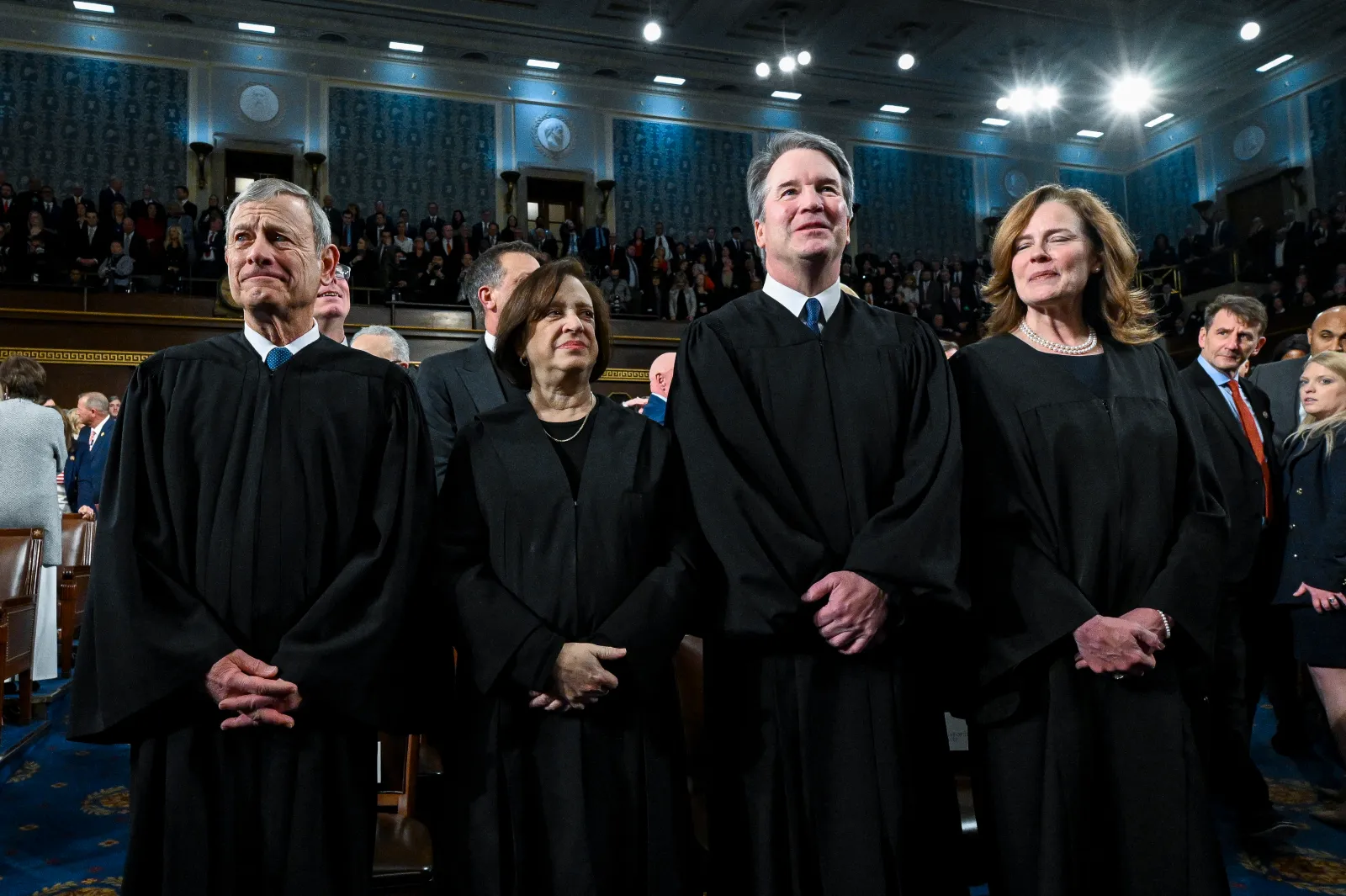
Supreme Court Decision Divides Conservative Justices
Although the order itself was brief, the vote exposed notable divisions within the court’s conservative bloc.
Three conservative justices—Clarence Thomas, Samuel Alito and Neil Gorsuch—indicated they would have granted Alabama’s request and allowed the execution to proceed. Their position contrasted with the majority, which declined to lift the lower court injunction.
The High Court’s decision followed a rapid legal back-and-forth that underscored the contentious nature of nitrogen gas executions. Earlier in the week, a federal district judge had initially upheld the method as constitutional, concluding it did not inflict pain beyond what is permitted under existing law.
But that conclusion was swiftly overturned by the 11th U.S. Circuit Court of Appeals, which ruled that Alabama’s protocol posed a “substantial risk of serious harm” and could expose inmates to severe suffering that goes beyond the pain of death. The appeals court sent the case back for further review, signaling that the method could run afoul of constitutional protections.
Experts and advocates have sharply disagreed about whether nitrogen hypoxia represents a humane alternative to lethal injection. In 2025, the Supreme Court allowed a nitrogen gas execution to take place, as critics assailed the method over causing unnecessary suffering and torment.
Alabama officials, however, have maintained that the method does not rise to the level of “severe pain” prohibited by the Constitution. Lee chose to be killed by nitrogen gas, but later asked for a firing squad, which is not legal in Alabama.
Lee argued that using nitrogen gas would subject him to unconstitutional levels of suffering.
When someone is executed with nitrogen gas, the inmate is strapped down and a mask is attached to their face. The high- purity nitrogen gas then flows into the mask, which takes the place of oxygen until there’s no more oxygen left. Eventually, the inmate loses consciousness and dies from suffocating.
Who Is Jeffery Lee?
Lee has been on Alabama’s death row for more than two decades after being convicted of a 1998 double murder during a robbery at a pawnshop in Dallas County.
At trial, a jury recommended that Lee receive a sentence of life in prison without the possibility of parole, voting 7-5 against the death penalty. But under a now-defunct practice known as “judicial override,” the judge presiding over his case rejected the jury’s recommendation and imposed a death sentence instead.
Alabama abolished judicial override in 2017, meaning judges can no longer override jury sentencing decisions in capital cases. However, the change was not made retroactive, leaving inmates like Lee subject to death sentences imposed under earlier law.
Lee had been scheduled to be Alabama’s first execution of 2026 before the Supreme Court’s intervention halted the process.
What Did Jeffery Lee Do?
Lee was found guilty of a violent robbery at a pawnshop in Orrville, Alabama, in December 1998 that left two people dead and another injured. According to court records, Lee entered the store armed with a shotgun and shot the owner, Jimmy Ellis, and employee Elaine Thompson. A third employee, Helen King, survived the attack. The violence and use of a firearm in the course of a robbery elevated the charges to capital murder under Alabama law.
The case has remained relatively straightforward in terms of guilt, but it has drawn renewed attention due to the legal complexities surrounding how his sentence was imposed and how the state has attempted to carry it out.
Advocates for Lee have pointed to the jury’s original recommendation as evidence that his execution should not proceed, arguing that the legal system has already shifted away from the sentencing mechanism that led to his death penalty. But state officials and victims’ advocates have stressed the severity of the crime and the decades-long wait for justice.
Will Jeffery Lee Still Be Executed?
Although Thursday’s ruling spared Lee from execution—for now—it does not permanently stop Alabama from putting him to death. The Supreme Court’s decision left Lee’s death sentence fully intact, and state officials have made clear they intend to pursue other options.
Ivey emphasized that the ruling does not end the case, noting that Alabama retains the authority to reschedule the execution at a later date.
It remains unclear how quickly—or by what method—the state might attempt to carry out the sentence. Alabama has argued that alternatives such as firing squads are not practical, even as Lee’s legal team has pushed for that option in court filings.
The dispute also leaves broader questions unresolved about the future of nitrogen gas as a method of execution. Alabama has been at the forefront of adopting the technique, using it multiple times since 2024.
Lower court rulings in Lee’s case could have far-reaching implications for whether the method can continue to be used—not only in Alabama but potentially in other states considering similar protocols. For now, the Supreme Court’s intervention represents a temporary victory for opponents of the method, who have long argued that nitrogen hypoxia amounts to unconstitutional punishment.
But with the state signaling its intent to move forward, and with divisions evident even among the court’s conservative justices, the legal fight over how executions are carried out in the U.S. appears far from settled.







Leave a Reply