

There was a time when Britain taught the world how to police a free people.
From London to New York, from Toronto to Sydney, generations of police leaders looked to the principles established by Sir Robert Peel and the Metropolitan Police. Those principles were not complicated. Police existed to serve the public, enforce the law impartially, and preserve life. Public trust was earned not through politics, not through public relations campaigns, and certainly not through ideological fashions, but through honorable service.
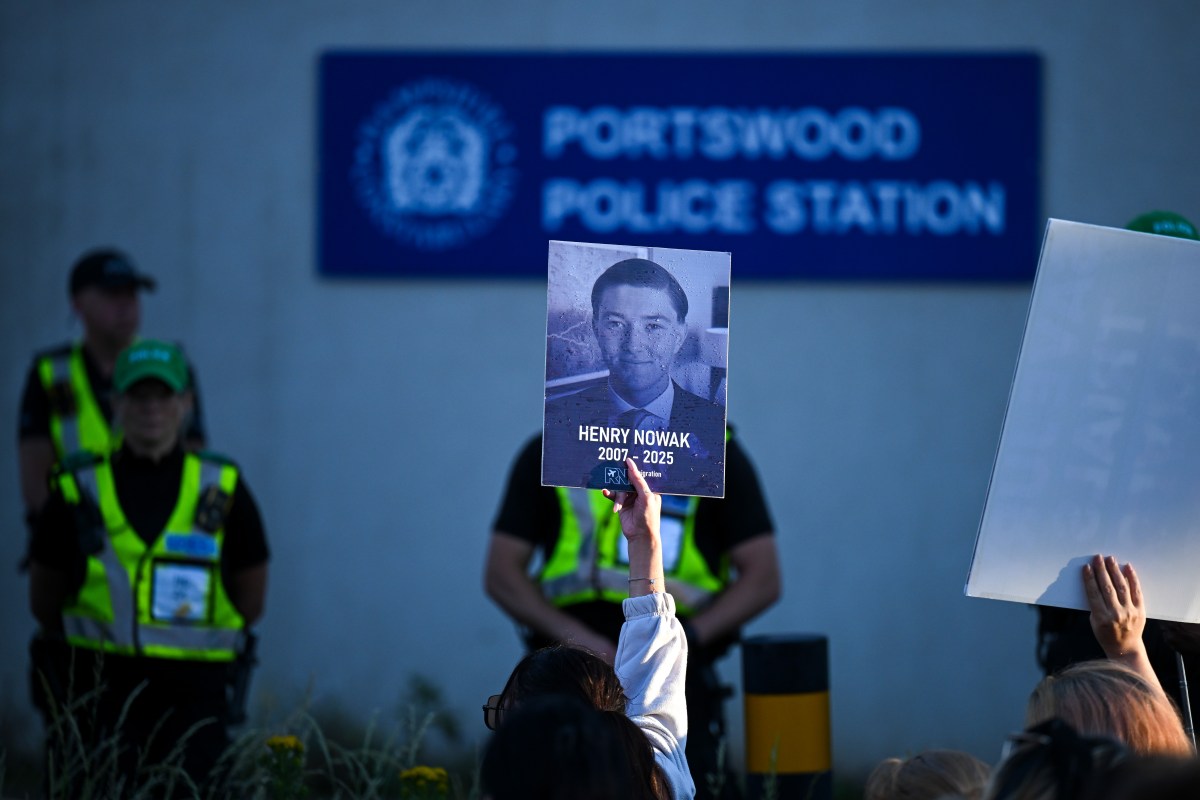
The tragic death of 18-year-old Henry Nowak has brought these principles into a sharp and devastating focus.
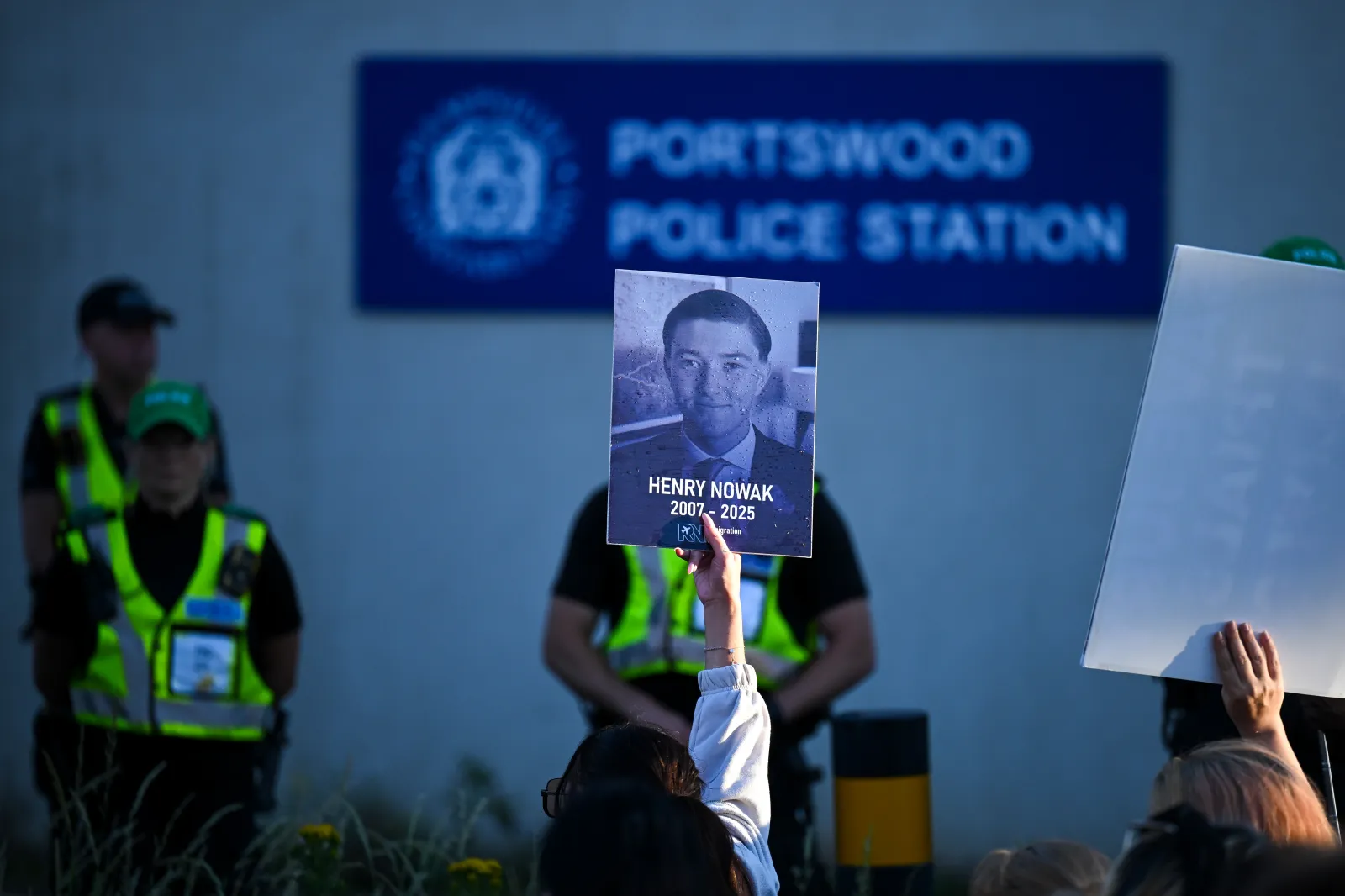
Body-camera footage showed a young man telling officers he had been stabbed and could not breathe. An officer responded, “I don’t think you have, mate.” The man who stabbed him, Vickrum Digwa, had provided police with a false account of events.
A police watchdog is investigating the officers’ actions, including the use of handcuffs and the failure to render first aid, but its findings remain hidden from the public. More than 220,000 people have signed a Change.org petition demanding that change. They want answers. They want accountability. They want to know how a dying boy could ask for help and be turned away.
For nearly two centuries, Britain has maintained that the preservation of life stands above all else. The principle is not buried in dusty history books. It remains embedded in modern law and police doctrine. Official guidance repeatedly states that preserving life is paramount and that emergency decisions should be centered on reducing harm and saving lives.
These are not radical demands from activists. They are not conservative talking points. They are Britain’s own standards.
Yet one cannot watch the controversies that now surround British policing without asking a troubling question: Has ideology crowded out duty?
For years, Britons have argued over what is commonly called “woke” policing. The proper question is not whether policing should be woke or anti-woke. The proper question is whether officers are making decisions based upon duty or based upon political fear.
True impartiality has never meant hesitation. It has never meant second-guessing obvious responsibilities because one fears criticism from activists, politicians, journalists, or social media mobs. British policing earned legitimacy through impartial enforcement of the law, not through surrender to public fashions.
When an officer hesitates to treat a possible life-threatening injury as genuine because of optics, labels, or ideological concerns, then something has gone off the rails.
The irony is that America spent decades learning these lessons from Britain. The United States borrowed heavily from the Peelian model. American community-policing strategies, neighborhood policing concepts, and guardian-style policing philosophies all trace their roots back to Britain’s traditions. Even today, American law enforcement training materials regularly cite those foundational principles.
Britain should not need a lecture from abroad about what British policing means.
Every police force in the United Kingdom should reinforce the life-saving purpose of the National Decision Model. Every officer should understand that allegations, identity claims, media narratives, and political sensitivities can never outrank a wounded person’s plea for help.
Britain does not need a new philosophy of policing. It needs the courage to recover the old one. Because when a human being says he is dying, officers protect life first.
Today, Britain stands at a crossroads. It can continue down the path of confusion, hesitation, and political weakness, or it can rediscover the traditions that once made British policing the envy of the civilized world. \
Sgt. Betsy Brantner Smith (Ret.) is spokesperson at the National Police Association.
The views expressed in this article are the writers’ own.






Leave a Reply