


Millions of federal student loan borrowers face a July 1 deadline that will eliminate several existing repayment plans and restructure the federal loan system. Borrowers who fail to select a new option may automatically be transitioned into higher-cost frameworks, including the newly introduced Tiered Standard plan. Approximately 7.5 million individuals currently enrolled in the Saving on a Valuable Education (SAVE) plan must select a new repayment structure or risk automatic reassignment later this year.
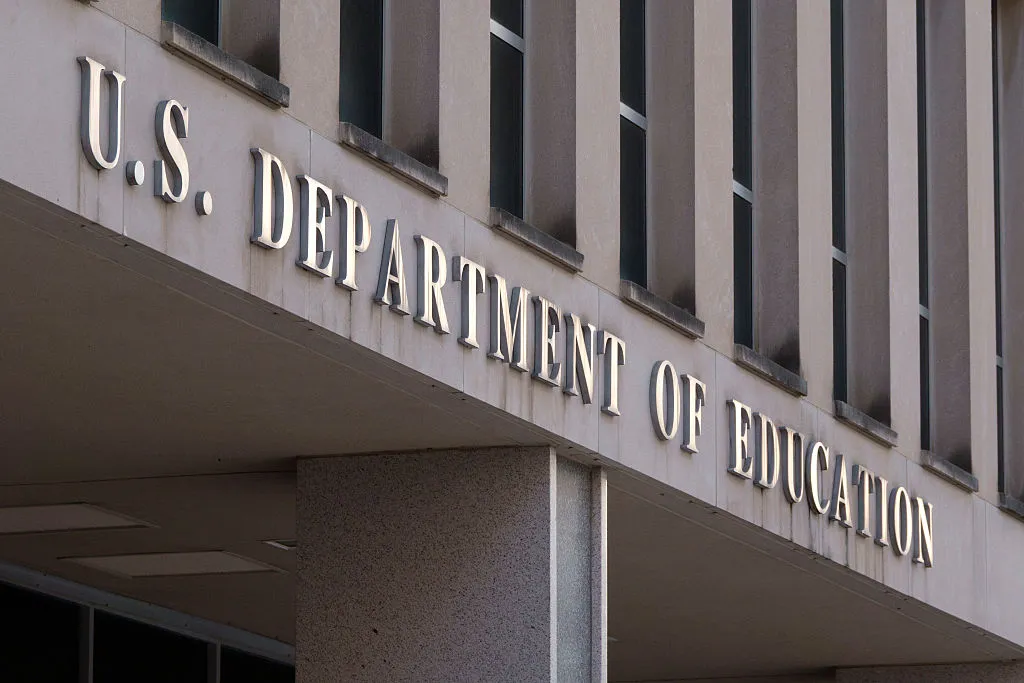
According to the Department of Education (ED), these sweeping changes are mandated by the Working Families Tax Cuts Act. This legislation eliminates multiple legacy repayment programs, phases out others, and introduces new borrowing limits for graduate students and Parent PLUS borrowers.
What Is the Total Student Debt in the U.S.?
Collectively, Americans hold nearly $1.7 trillion in outstanding federal student loan debt. The ED attributes this to decades of escalating tuition costs, unconstrained borrowing, and repayment systems that left fewer than 40 percent of borrowers in active repayment and nearly a quarter in default.
Graduate-level borrowers account for more than one-third of this debt. According to federal data, 40 percent of master’s degree programs yield a negative return on investment (ROI).
SAVE Repayment Plans Coming to an End
The SAVE plan—previously the most widely utilized income-driven repayment (IDR) option—is being permanently sunset. Borrowers currently enrolled in SAVE will receive official notifications on or around July 1, giving them 90 days to choose a new plan.
Failure to select an alternative program by October 1 will result in an automatic transfer to either the Standard or Tiered Standard plan. This transition is projected to sharply increase monthly obligations, particularly for nearly half of SAVE borrowers who previously qualified for $0 monthly payments.
Financial analyst Brennan Kolar told Newsweek that “doing nothing” is the most expensive mistake borrowers can make, especially because SAVE no longer counts toward Public Service Loan Forgiveness (PSLF) or income‑driven forgiveness.
Confirm Your Current Repayment Plan Before Options Disappear
Borrowers should log in to studentaid.gov immediately to see which repayment plan they are currently in. Several plans—including Pay As You Earn (PAYE), Income-Contingent Repayment (ICR), and Income-Based Repayment (IBR) for new borrowers—will close to new enrollees on July 1.
Jack Wallace, director of government and lender relations at Yrefy, told USA Today that borrowers “may qualify for something today that won’t exist next month,” making early review essential. Kolar recommends starting with what you can afford and using the federal loan simulator rather than guessing.
Prepare to Leave SAVE if You’re Still Enrolled
SAVE borrowers should expect a notice from their servicer around July 1, along with a 90‑day window to choose a new plan. Payments paused since August 2025 will resume this year, and interest has been accruing during the pause.
Borrowers pursuing PSLF should switch to a plan that still counts toward the 120‑payment requirement, such as IBR or the new Repayment Assistance Plan (RAP).
Consolidate Parent PLUS Loans Now if You Want Income‑Driven Repayment
To maintain eligibility for income-driven repayment or PSLF, parents holding Parent PLUS loans must execute a Direct Loan Consolidation. The consolidation process must be fully completed and disbursed prior to the July 1 deadline.
Kolar warns that borrowers applying in June are “already cutting it close,” because consolidation must be finalized, not merely submitted. After July 1, parents who miss the deadline will be permanently locked into Standard repayment.
Check Whether Your Preferred Repayment Plan Is Closing
Several repayment plans are ending or phasing out:
- PAYE and ICR close to new borrowers on July 1 and fully sunset in 2028.
- IBR remains open only to borrowers with loans disbursed before July 1.
- SAVE is ending and will no longer count toward forgiveness programs.
Borrowers who want to stay in one of these plans must confirm eligibility now.
Understand the New Limits on Graduate and Parent PLUS Borrowing
Graduate PLUS loans end July 1, replaced by new annual and lifetime caps:
- Graduate programs: $20,500 per year, $100,000 lifetime
- Professional programs: $50,000 per year, $200,000 lifetime
- Parent PLUS: $20,000 per year per student, $65,000 lifetime
Borrowers who want to use the current rules must have at least one disbursement before July 1.
Use Only studentaid.gov—Ignore Companies Offering Paid Help
Consolidation and repayment‑plan changes are free through studentaid.gov. Kolar warns borrowers to ignore companies offering to “handle” the transition for a fee, noting that federal servicers do not charge for these processes.









Leave a Reply