

When I walked into prison at 17 years old in 1995, dial-up internet was still new. I didn’t know anyone who had it. So when I walked out in 2010 at age 32, it felt like I had traveled from the Flintstones to the Jetsons. The fourth iPhone was already in people’s pockets. Touchscreens had replaced keyboards. There was nothing analog left. Job applications, government services, healthcare portals and daily communication had all moved online while I was gone.
Inside prison, I missed that entire digital revolution.
My first year home, I worked relentlessly. I had two full-time jobs and a part-time one. I worked for a pizza shop, answered phones at a payday loan company and did janitorial work at a local church. I was putting in 100 to 140 hours a week, every single week. I thought I was crushing it.
Then I went to H&R Block to file my taxes for the first time. I brought my folder in, handed over my W-2s, and watched the man behind the desk add everything up.
When he told me my total earnings for the year, I was stunned. I had made $24,600. That was it. For all of it.
I remember sitting there thinking about what that number actually meant. You can’t support yourself on $24,000 a year. You can’t pay for an apartment, a car, food, clothing and healthcare. Without my family holding me up, I would have been in dire straits.
And in that moment, I understood exactly why people give up. After a year of doing everything right, the math still didn’t work. That is the moment when people get derailed. When they think, “I could make $24,000 in a month doing something else.” If we force people into that corner, we should not be surprised when they make a different choice.
But here is the thing I have come to understand about my own story: The problem was not just low wages. It was that I came home without the tools the modern economy runs on. I had motivation. I had grit. I had a willingness to work brutal hours. But I did not have digital literacy, and in 2010, that gap was already costing me.
Think about how quickly you fall behind. I used to tell people that you and I could step away from technology for six months and come back confused. Every phone update has a learning curve. Now, imagine not just missing updates but missing the entire foundation. I had never navigated a digital job application.
I had no experience with online benefits systems or employer portals. I had not touched the tools that define adult life in this economy. Hard work alone could not close that gap.
As I built a career in reentry advocacy, I’ve wondered what would have been different if, during those 15 years, I had been able to practice the basic digital skills the outside world now requires. Developing a resume. Applying for a job online. Creating an email address. Taking classes. Staying connected to family.
Learning how to move through systems that had become routine for everyone else.
In prison, secure access to digital technology is the difference between a returning citizen who can succeed in the modern economy and someone who sees no choice but to fall back into old habits.
Now I lead TimeDone, a community of people living with past arrests and convictions. I’ve met so many people who came home motivated, did everything they were supposed to do while serving time, and still ran into walls on the outside that had nothing to do with their effort or character. Again and again, I hear the same message: Reentry cannot begin at release. People need tools, training, connection and support before they walk out if we expect them to succeed. So we built something to connect people with the resources and community connection that they need to succeed. A member support program that connects them to peers and technology, access to savings, mental health services and meaningful connection makes all the difference.
In 1995, or in 2010, I didn’t have someone building that bridge. That is the gap I spend my days trying to close by making sure the tools exist before people walk out the door, and that something is there to catch them if they stumble after.
I lived through one version of this. I do not want the people coming home today to have to live through another.
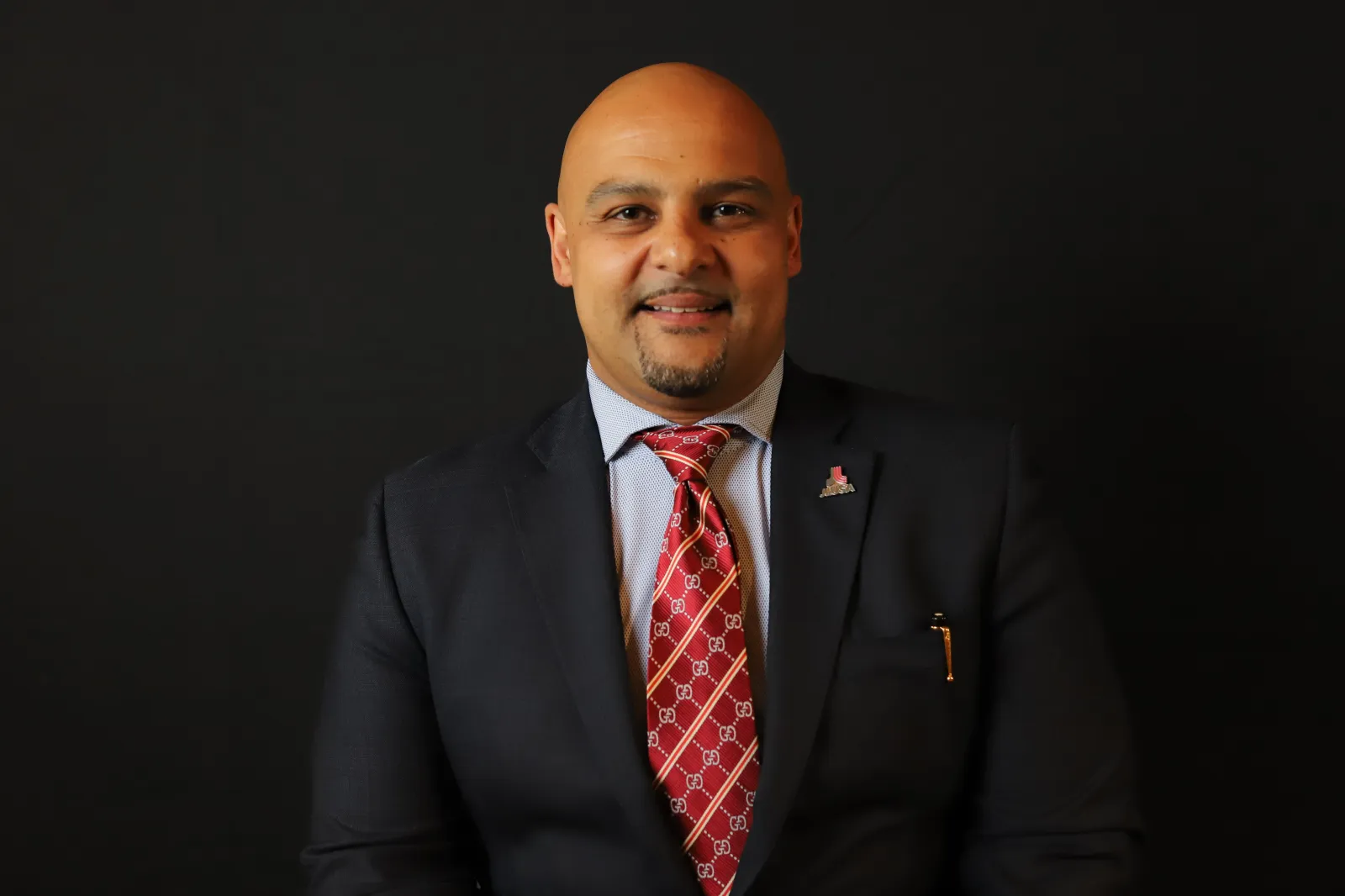
Saad Soliman is the national director of TimeDone at the Alliance for Safety and Justice, where he leads national efforts to advance policy and systems change for people living with past convictions. He is a recognized leader in reentry systems, with experience spanning the U.S. Department of Justice, federal courts and national policy and advisory roles.
All views expressed in this article are the author’s own.
Do you have a personal essay you want to share with Newsweek? Send your story to MyTurn@newsweek.com.







Leave a Reply